Insights
What we are reading, writing, watching and arguing about. Our newsletters, reports, blog posts and the work we do beyond client briefs.
Blog & Newsletters









Reports.

INTELLIGENCE REPORT

INFLUENCER REPORT
WOMEN IN MARKETING
Get great content in your inbox

Zoe’s PR Internship at DATS
Our intern, Zoe recently wrote an article on what it’s been like working for DATS, and her first experiences of working in the world of PR…

Any preconceptions about working in PR?
The glitz and glamour
I honestly believe that this is one of the strongest misconceptions about working in the PR industry, not just what I had before starting my placement, but what has been constructed about the industry as a whole!
Although you can be given the opportunity to attend launch parties and events, this doesn’t take away the hours of preparation and hard work an agency put into this beforehand.
Social Media is part of Public Relations
Although we know that social media and public relations work hand and hand with one and other to create profiles for clients, the developing upsurge for social media presence to any client is vital in the digital led industry.
Clients will approach agencies just to develop their social media presence without PR and vice versa. Something I never expected before, as I believed the two came hand-in-hand.
The amount of work that goes into social media PR is underestimated commonly.
PR refrains from having close relationships with clients due to the nature of the industry
Before experiencing work in a PR agency, I always believed that relationships with clients were strictly business related, through corporate and formal meetings.
DATS values their relationships with clients, interacting through personal and fun interactions, which is why I believe they are trusted by so many clients. I love how personable I have realised that the role is!
One piece of coverage will make you satisfied
I always believed that when studying public relations, receiving a good piece of coverage was enough to give a sense of accomplishment, however I’ve found that you just can’t help from wanting more!
PR is an industry where you constantly strive for success. Another reason why I love it so much, as there is always room for improvement and growth!
What has been your favourite part of working on this placement?
This placement has given me numerous opportunities when it has come to creating my own content and understanding how it feels to be part of a team in the PR industry.
I have been given the opportunity of experiencing all areas of PR; from media lists, to creating TikToks for a client!
I have loved how hands-on my experience has been and the opportunities I have been given through shadowing team meetings, being involved in developing ideas for clients, being a part of shooting content for clients and helping to develop a better social media presence for them.
What has the placement taught you that you haven’t learnt from your Masters?
The biggest part that my placement at Down at the Social has taught me that I was not expecting through learning about Public Relations in my masters is how important it is to have a strong bond with your clients, and most importantly your team.
I am extremely grateful that I have had the opportunity to gain experience through working in such a small and close-knit agency to understand the value of having a strong team to rely on to get the best successes and I truly believe that this is where Down at the Social will stand out from other agencies.
What has been your proudest moment?
My proudest moment throughout my experience is to have been given the opportunity to create my own content and ideas for clients. Being able to use Canva and create signatures for websites (something which I have always loved), to be able to present to a client and for them to be approved after my first draft!
I was over the moon with this and found that my perfectionist style when it came to Canva and creating designs really did pay off!
What will you take from this placement?
The most important thing I will take from my placement at DATS is that it has given me the realisation that this career is something I want to pursue. I love how fast-paced and different each day is to the prior, how creative I can be and how each day is about communicating with others and building relationships to network in the industry.
What’s next for you?
Now I will go back to completing my Masters qualification with the variety of skills and attributes I have learnt, that will hopefully come in handy when producing my final project through digital content creation!
I know that my placement at Down at the Social, through the variety of work I have been involved in and experiences I can take from my time at the agency, will put me in amazing stance for my future in the PR industry.
I am extremely grateful for the opportunity to work with such an amazing team and hope to work with them again in the future!

Why Public Relations is Much More Than 'Writing A Press Release'
Blog by our Public Relations Account Manager, Anna Bolenkova Gillespie

I cannot tell you the amount of times, across my nine years of marketing and PR experience, that people have assumed the main job of a PR professional is to write press releases.
We do write press releases. But we also do so much more!
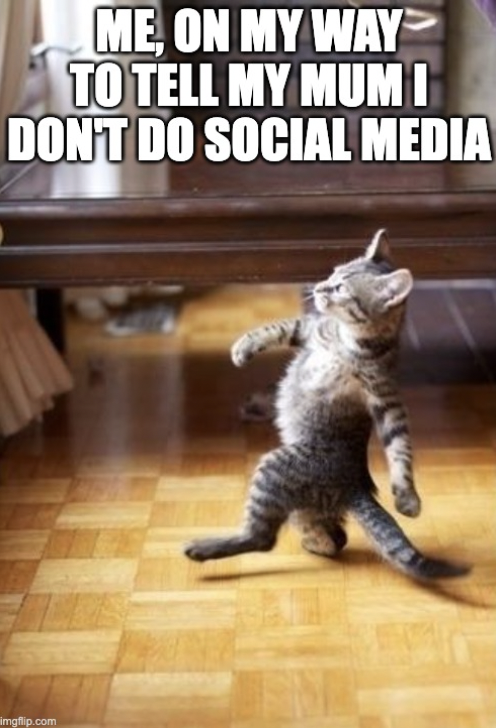
I mean, to be honest, my mum still thinks I post cute cat pictures on social media so writing releases is actually still a better assumption to make, and more in line with what I actually do, than this:
So, what exactly is PR?
Our Account Director, Orla, put it perfectly in her last blog, when she said:
“PR - or Public Relations - is one of the most effective ways to build reputation, understanding, brand awareness and most importantly, brand loyalty. PR is about understanding the brand’s messaging, WHO you are trying to target, HOW you target them and WHERE you target them.”
‘Aren’t marketing and public relations the same thing?’ - I hear you ask.
When I started out in content marketing, the landscape looked very different. I was tasked with promoting awareness of an e-commerce company which was still in its infancy.
The aim was to build backlinks to the website. And this was done through blogging, paying for guest posts on other blogs, and generally just annoying any high-ranking website owner to link back to the e-commerce website.
And whilst backlinks are hugely important in today’s digital landscape, back then it was about quantity of links as opposed to quality, which we now know are most important when it comes to Google’s ranking factors.
Both marketing and PR can help to achieve backlinks to increase a website’s online authority. And both are equally important.
Marketing, however, is concerned with the selling of a company’s products or services, whilst the role of public relations is to create awareness of that company. The tactics involved in both do have overlap, but also have distinct differences.
Digital marketing tactics include:
PPC
SEO
Email marketing
Search and social ads
Affiliate marketing
Content marketing
Influencer marketing
Whereas, public relations tactics include:
News creation
Brand activation
Press releases
Thought leadership
Reactive PR
Newsjacking
Influencer marketing
Data storytelling
PR stunts
So, how can a public relations agency help a business - and what do we actually do?
First and foremost, a PR professional would look at the wider context of the company. This is where the research stage begins.
In this instance, let’s say you’re a healthy snack brand.
Research (we call this INTELLIGENCE in DATS agency speak)
We’d look at your customer base and your target customers. Do they align?
If not, why not?
Where are your target customers?
What do they read?
Are they active on social media?
If so, who do they follow?
For a healthy snack brand, it’s wise to assume the target consumer is probably health-conscious or looking to make healthier lifestyle choices. In that case, they could have an interest in health publications, healthy living influencers, chefs, recipes and exercise.
We’d start by analysing all of these publications to determine what they write about, what the audience cares about, and then begin to examine and look at trending topics, evergreen subjects, and issues that come up time and time again.
Next, we’d look at the wider media landscape. What are the general health issues of the day? And what are journalists talking about in regards to health and wellness?
This helps us to form an opinion of how to position your company to the various media outlets. It also helps us decide which reporters to target, which influencers to partner with, complementary brands that could suit a collaboration and also, what kind of activation or event would suit your brand, as well as the people we’d invite.
Planning (this is where we get busy with IDEAS and INFLUENCE to build a channel strategy and creativity into the mix)
The next stage is looking at your business objectives to guide our planning stage..
Is it increasing market share?
Is it to successfully launch a new product or service?
Greater brand awareness?
Recruit and retain staff?
Corporate social responsibility?
Improve reputation?
This helps us to plan and create activity based around what would ensure you meet your business needs.
If it’s to launch a new product, then a brand activation or PR stunt would ensure there is as much relevant coverage as possible, and we’d work to create a buzz, keep momentum going prior to the launch, and invite exactly the right people who will help your business grow sales or retail listings.
Setting Goals and Objectives (this is the stage of the process we refer to as IMPACT where we interrogate what we want to achieve for a client’s business and how we will measure results)
The best way to demonstrate the value of our activity is to set targets which can be easily communicated and understood. It shows you, the business, the impact of what we do, but also helps us to examine and analyse what works and what doesn’t.
In the example of a product launch event, it’s important to know who attended, what their relevance was, and what coverage was gained, prior to and post-event.
Our goals and objectives will also align with your business goals to get a better understanding of the wider impact of the PR activity.
Finally, we pride ourselves on being experts that continue to learn which means we’re always ‘on’; always searching for tactics, news angles, stunts, events, or ways to talk about your business.
Sometimes, this may involve ‘writing a press release’ (!)... but a lot of the time, it’s a lot more than that.

Do You Need PR?
One of the questions new companies and brands will often ask themselves is “Do I need PR?”

In reality the first question you should ask is - “Do I understand what PR is?”
PR - or Public Relations - is one of the most effective ways to build reputation, understanding, brand awareness and most importantly, brand loyalty. PR is about understanding the brand’s messaging, WHO you are trying to target, HOW you target them and WHERE you target them.
PR can be proactive or reactive.
Proactive, as you would expect, is to get ahead with messaging, actively communicating stories, news and campaigns; a hotel announcing a new restaurant opening or a fashion brand announcing a new celebrity line. Getting the news out there before you are asked for it.
Reactive is responding - often quickly - to a topic already out there; a tech giant confirming that yes, the rumours are true, their CEO is departing or, worst case scenario, a business responding to and trying to manage bad sentiment surrounding a decision made, a poor campaign decision or allegations of legal misconduct.
How can PR activity benefit my brand?
Before we even start working with a brand, we ask them one simple question - “What does success look like for you?”.
For most brands, it’s about awareness - they need news of their new restaurant site communicated; they’re launching a new gin and a listing at Waitrose is the dream retail spot, or they have just collaborated with a Love Island star and want the news announced nationally and on social media.
The next question we ask is - “Who is your target audience?”. This helps us plan a strategy - in line with your marketing strategy - in the area where the consumer is, on the platform they use and using verbiage they understand.
Our next step is to set goals and KPI (Key Performance Indicators) - these will help us to quickly identify if a campaign is working or it needs adjustment. Success might look like a glossy page in The Sunday Times Style Magazine but if your target audience is reading Women’s Health then we will need to reassess our targets to see any impact. A key error is underestimating the power of smaller, niche publications.
We then look at channels - where are your customers getting their information, in other words WHERE can we reach them.
Examples of popular PR channels:
Podcasts - According to statistics, the number of listeners worldwide is expected to be 464.7 million this year, a 9.6% increase on 2022
TV
Traditional media - Magazines and newspapers
Social media - Instagram, Facebook, TikTok, Twitter, Pinterest…
And then we can have fun!
We can be as creative with campaigns as you dare. We can set up an OnlyFans account to launch your business as we did with a recent client, Send Noods Ramen Shop; we can fly noodles via drone into deepest Lancashire as we did for Chopstix or partner with Gemma Collins and launch a Pink FlaGINgo Gin for Zymurgorium.
Most importantly - we will listen to you, we will get to know your brand, your team, your ethos and your WHY. We will get under the skin of why you do what you do.
And then you just need to let us do what we do best - amplify your message and help you build reputation, understanding, brand awareness and brand loyalty.
Instagram Algorithm Update
Yes, Instagram changed its algorithm again. Happy Friday Social Media Managers. What better way to start your weekend *cries*

Have no fear though, our Social Media Manager, Bronia is here to give you an easy breakdown of what’s going on.
As of today, Instagram has introduced a new algorithm for its users worldwide. This shift could have significant impacts on the way we use the platform and how our content is shown to others.
Here are the essential details you need to know about Instagram's latest algorithm change.
The new algorithm is designed to prioritise newer content. This activity ensures that posts are more relevant to the user due to the recent time frame. This means that the likelihood of seeing posts from days or weeks ago is now significantly reduced.
Instead, the focus will be on what is happening currently, in real-time. The algorithm will also factor in the user's browsing activity, and it will show users the posts from accounts that they engage with more. This is all in an effort to make the app's content more relevant and personalised.
How can I grow with the algorithm update?
So, what should you be doing to grow your Instagram following and engagement following Instagram’s latest algorithm update?
Up your posting frequency. Stick to once a day 5-7 times a week.
In-app editing always. Yes, that includes no CapCut content now either, but they are supposedly working on their in-app editing tools!
No 16x9 videos, no black borders. Vertical always (you should already know this because of Tik Tok but one off’s no longer allowed)
3-5 hashtags per post. Yes I know, I’m mad about it too.
Captions are now your biggest focus for search visibility. Hashtags won’t get you exposure as they used to.
Trending audios only. No outside music! Top tip - visit @creators on Instagram to see their listed trending audios. Thank me later.
Stories. This one will hurt and I’m sorry… SIX a day, two around 2am, two at midday and two at night.
Get as many CTA’s in there as possible, use all the features and engage with your audience like your life depends on it (it does).
They are starting to test charging creators and businesses for a blue tick around the world, excluding the US. I have a feeling this won’t catch on though.
Stay safe out there my fellow social media managers. And maybe pour yourself a stiff drink.

The role of personality profiling for building our Manchester PR team
Whether your team specialises in influencer marketing campaigns, summer trends or Manchester PR (or all of the above like us!) - we think it’s vital to support your team members firstly in getting to know themselves really well and in turn, one another.

As the great businessman and author Stephen Covey said, “We should always seek to understand before seeking to be understood,” and in this blog, our ops director, John Magee looks at two of the HR industry’s most popular tools for personality profiling.
First up - Belbin - and the nine (yes, NINE) team roles.
The beauty of the Belbin system is that once team members have completed their individual reports, the manager receives a team report which can be used to spot particular strengths and crucially, any gaps within the group skillset. This can be really helpful when recruiting (as managers know the types of quality to look out for) and when looking for the most suitable team member to do a particular job.
Here’s how at works with some of our Manchester PR team -
Daisy, our MD is a Resource Investigator - this makes perfect sense as she is inquisitive, outgoing and always looking for the next opportunity for us and our clients.
Our Account Director, Orla, is a Monitor Evaluator - that means she is strategic and discerning with excellent judgement!
I’m a Completer Finisher - so pick me if you want someone to go through a piece of work right at the end to polish and perfect it. That’s right - I get all the fun jobs!
The second personality profiling system we are looking at is DiSC
DiSC can help to raise self awareness, improve management efficiencies and ultimately aid teamwork. DiSC categorises us into 4 main groups - Dominance, influence, Steadiness and Conscientiousness through models initially developed by William Marston in his 1928 book, The Emotions of Normal People.
When we stand up the rest of our team against DiSC we think it looks a bit like this -
Our PA Amber looks after us all - she is calm, patient and loyal - a typical ‘S’ profile.
Ella is our PR Assistant and a classic ‘i’ profile - collaborative, energising and full of enthusiasm - no surprises then that she is brilliant at building relationships with journalists to get amazing press coverage for our clients.
Last but by no means least - our Social Media Manager, Bronia - driven, daring and OBSESSED with delivering results for clients - you guessed it, all the key traits of the ‘D’ profile.
It goes without saying that we all like to get to know our clients just as well as our team so please get in touch with us if you would like to chat about your business and how we can help!

‘How to do PR’: 4 Top Tips for a Successful PR Campaign
Creating a successful PR campaign can seem simple but a lot of work goes on behind the scenes.

Whether you are a beginner in PR or a PR expert, taking a step back and simplifying the process is ALWAYS a good idea. That is why we have put together our four top tips for a successful PR campaign.
1. Define clear objectives
It may sound simple but it is SO important to identify what you want to achieve from this campaign. Do you want to increase brand awareness? Launch a new product? Attract people to an event? It can be tempting to rush into planning but it is so valuable to start at the end and decide what your ideal outcome would be, and how you will measure success.
2. Who are you targeting?
This is CRUCIAL. Thinking about who your audience is allows you to tailor your campaign. Each demographic has a different way to most effectively target them whether that is through social media, deciding whether to integrate influencer partnerships or simply choosing your key media targets.
3. Why are you different?
It is so important to know the industry you are working within and what is already out there. This is essential to deciding where your campaign is positioned and why you stand out to journalists, influencers and the public.
4. Timing is everything
You could have the most successful PR campaign in the world, but if it is launched at the wrong time, no one will know about it! Take time to research when your target audience will be most engaged, are there fun ‘national’ days you can get involved in? Be prepared to be flexible and work reactively. Is there space for your story in the news agenda? Is there a viral story that compliments your campaign?
To finish off, here are some of our favourite viral PR campaigns recently…
1. Fenty Beauty and the Super Bowl
We couldn’t not mention this one… Fenty Beauty absolutely smashed this. Since the announcement that their founder, Rihanna, would be performing at the Super Bowl Halftime Show, the PR team did not miss a beat. From launching a superbowl ‘Team Fenty’ range across socials, to creating a viral ASMR Tik Tok with over 12 million views to date. Rihanna herself then touched up her makeup using a Fenty Beauty Powder, the real cherry on top! This resulted in some excellent reactive PR with the team sharing meme’s and images as they came in.
2. Who Gives A Crap?
Australian toilet paper brand ‘Who Gives a Crap’ is clearly aiming for laughs with its brand name, and its most recent Valentine’s campaign did not disappoint either. With a huge focus on sustainability, the brand announced that it would love for consumers to send in love letters from their exes to be recycled into toilet paper. This campaign got international coverage, even reaching us in the UK! Humour and novelty campaigns can really go a long way. Ultimately, this increased the brands awareness massively and received great results!

How Consumer PR Is An Essential Part of the Trade PR Mix
Big retailers are always on the lookout for new products. Here, our MD, Daisy lets you in on how we’ve made consumer marketing an essential part of the trade PR mix…
Want to target buyers at big retailers and show them why your product will stand out on their shelves?
We’ve worked with a bunch of producers and relatively young brands over the last decade to support them in their mission to secure listings in major retailers. Brands including Didsbury Gin, Zymurgorium and Diablese Rum to name a few.
It’s every food and drink producer’s dream to see their product on the shelves of national supermarkets or luxury retailers such as Selfridges or Harvey Nichols. PR is a vital part of the strategy to make this dream a reality.
The conversation always starts with clients asking us to build a trade marketing campaign that tells their stories in the trade media - depending on the product this might be Imbibe, Retail Week or The Grocer. To be honest, it’s pretty much always The Grocer.
For a brand with a great story - or raft of stories - and the willingness to share their successes, failures and business statistics, this isn’t a tough job. We can craft these stories to make them media worthy and secure the coverage they’re looking for.
But I always ask clients the same question - why just trade?
Retail buyers want to see that there is a market for a product and that means customers. A consumer PR campaign can be an effective way to highlight that there is an audience for a product or brand.
As part of a consumer campaign, we aim to generate coverage in magazines and newspapers that are appropriate to the individual product. Titles like Good Housekeeping, Stylist, HTSI and the Sunday Times Style can drive huge amounts of traffic and even sell out products in days. They bring products alive on a page and give a point of reference outside of the brand’s own website and social media channels too.
Consumers trust certain publications and so to see a brand or product within these pages can have a direct impact in sales generation. Recently, Beauty Pie’s Youthbomb serum sold out after India Knight waxed lyrical about it in Sunday Times Style.
By targeting these product reviews, we can raise your profile with existing and potential customers and demonstrate that an audience exists by tracking the journey of consumers from coverage to social, website and ultimately purchase, or another call to action if appropriate.
This is invaluable data to share when pitching to a retailer to demonstrate that there is a market for a product. Most buyers also want to see that a business has an effective marketing strategy so it ticks that box too.
Product placement, newsjacking, consumer PR and trade PR – why you should do it all…
Alongside product placement, partnerships (remember when Didsbury Gin recreated Simon Wood’s Masterchef winning dessert in gin form?) and news jacking are a useful and effective part of any campaign to support SEO, drive website traffic, communicate brand values and personality and develop a deeper engagement with consumers. More evidence of a brand that’s investing in growth and taking marketing seriously.
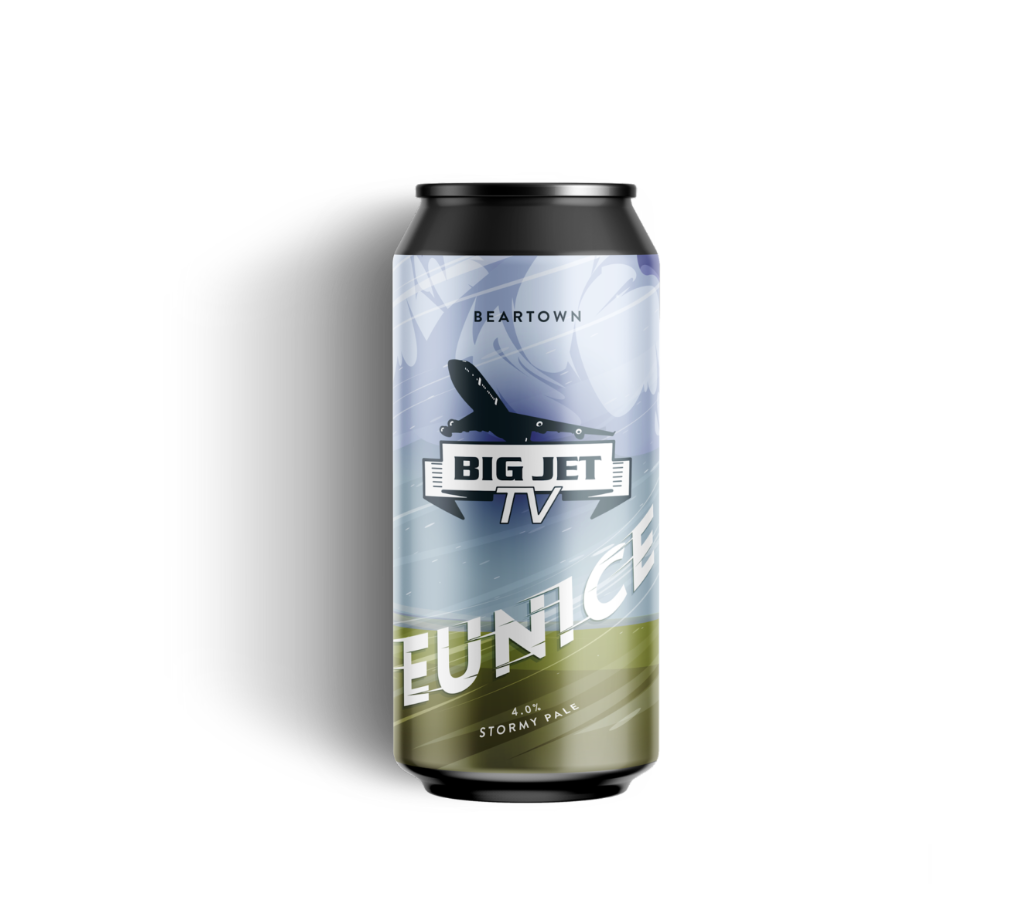
This example of newsjacking that we activated in about 15 minutes for Beartown Brewery when Big Jet TV hit the headlines over Storm Eunice, is such a brilliant example of quick, cheap and effective reactive digital PR.
Finally, a retail buyer will always want to know who your customer is and if there is a market for them, marketing can support here too. We often work with our brand partner Distinctly Aware to support clients here. Leanne and her team have recently delivered a programme of in-store customer sampling for CBD plus, functional drink MEDAHUMAN. This helped the brand to connect with consumers as they shopped, listening to their feedback first hand. Such useful data when jostling for space with other products in a growing market.
So in summary, there’s no denying that trade marketing and PR is vital in supporting a growing brand in achieving its goals and PR can be a huge part of a sales strategy when wanting to prove the potential for a new or existing product.
But please don’t forget that a truly effective campaign recognises that consumer PR and customer intelligence is of equal importance and it makes sense for this activity to be integrated to close the loop.
5 Things My Marketing Degree Didn't Teach Me, But My Career Did

Our Social Media Manager, Bronia impressively has two first class honours degrees. Here, she lets us know what she learned in the lecture hall, and what you can’t learn until you’ve started your career…
If you don’t know me, hey! I’m Bronia and I’m the social media manager at Down At The Social. With two first class honours degrees, I’ve spent a lot of my time in lecture halls being taught the fundamentals of marketing, PR and social media.
I’ve taken a lot of value from my four years spent studying (including how to make a bag of pasta last you two weeks), but there are some things you just can’t pick up in the classroom.
Here are five things my degree didn’t teach me:
1. Google Analytics
I can tell you why they work. I can tell you when to use them. I can even tell you how many times the system has been updated in the past 5 years. But in my first graduate job, could I tell you how to set one up and measure its performance? No I could not.
2. How to write a strategy
Sure - I came up with hypothetical strategies for some hypothetical businesses, but did marketing executive me have a scooby on how to write a six-month marketing plan that didn’t include 70% theory and only 30% creative? Spoiler alert: she didn’t!
3. The art of delegation
The university environment is very much ‘my work, my degree, my grade.’ Even in the dreaded group assignments, everyone is given a section and there’s rarely collaboration in the content. Going from this straight into a team that actively seeks support from each other, it can be challenging to determine what should be your priority and who can help you where.
4. What happens when you don’t hit target?
“I am the worst person in the world,” and “I do not deserve this job,” and “I am going to be sacked tomorrow.”
Yes - those are all thoughts that have raced through my anxiety-clouded brain after realising the stats don’t match the aim. Fear not students! Your head will not be on a spear. Step back, evaluate and work out what it is that’s gone wrong. How does this inform your strategy moving forward? What can you learn from this throughout your career? How can you turn this into a positive?
5. Soft skills
Adaptability. Leadership. Communication. Dare I go on? Sure - these things can’t really be taught, but a workshop on how to develop them and why they’re so important wouldn't go amiss.
Don’t get me wrong. I would not change my university experience for a thing and I’ve never once regretted going down the academic route, rather than jumping straight into industry. My point is, no-one leaves prepared for a career in the big bad world (not to sound like your mum), and you’ll still be learning in your graduate job.
What now?
Now here I am, nearly 3 years after graduation, in a job I love and doing some really exciting things, but that doesn’t mean I didn’t mess up a bunch of times. Guess what? You HAVE to make some stupid mistakes to learn everything that will make your career amazing.
So, my advice to you, dear graduates, is have the confidence to make wild suggestions, ask to shadow someone you look up to, and do anything else you think will make you even better.
Be bold, take the plunge and don’t fear failure. Failure is actually your friend. You’ll be brilliant!

Let’s Talk about Influencer Marketing: Is Manchester set to become the ‘influencer capital’ of the UK?
Influencer marketing is the perfect template to achieve genuine content through trusted, credible voices. Our PR Assistant, Ella has the lowdown on whether Manchester is becoming the influencer capital of the UK…
You only need to open any social media app to notice that Manchester is popping up again, and again… and again.
With big names in the influencer game, such as Molly Mae, utilising Manchester as the backdrop for their content, it seems that more and more influencers are heading up north to get a slice of the Manchester action. Manchester and Influencer marketing really are a match made in heaven to increase brand exposure , but why?
Manchester Brands 🤝Influencer Marketing
One reason for Manchester becoming an influencer haven is its thriving fashion and beauty scene.
Influencers have gained success keeping their followers up to date with the latest trends and places to be, often through paid partnerships and gifted experiences. Many of the fast-growing fashion brands such as Pretty Little Thing, Boohoo and Luxe to Kill, have their head offices in Manchester and use influencer marketing. Some of the UK’s largest brands are using it as one of their main tools across their socials to increase brand visibility and brand awareness.
Manchester's social scene is heating up!
With the London Hotspots such as MNKYHSE, The Ivy and Tattu opening in Manchester and providing the perfect ‘it girl’ backdrop, Manchester continues to live up to its title of ‘London of the North’.
The city's social scene often revolves around these destinations, with parties and influencer and PR events happening all year round. With Sexy Fish opening this year, will Manchester take over London as the UK’s ‘influencer capital’?
Mosaic of culture and creativity
Manchester has always been renowned for its community of creatives; influencers are this generation's addition.
Take a walk down any part of Manchester and you will see a kaleidoscope of colour, fashion and art. For many influencers, their social media is the output for their creative expression. Whether that is channelled into fashion or their editing, it is undeniable that Manchester creates the perfect environment to express yourself. Manchester’s diverse population also provides influencers with a ready made audience for any niche.
But why is influencer marketing important for your brand?
More than ever, consumers want organic and genuine content through trusted, credible voices. If done right, Influencer marketing is the perfect template to achieve this.
2022 saw the demand for videography content continue to rise, something we think will only continue throughout 2023. Influencers are relying on videography content more than ever, particularly through TikTok and Instagram Reels. By matching influencers that fit your brand, you can reach audiences that are your target market, and trust the influencer’s opinion.
Just look at ‘The Alix Earle’ effect, after creating content across multiple channels for a while, Alix Earle shot into influencer royalty at the end of 2022, with everything she recommends selling out.
This sort of impact is invaluable to any brand, but it also highlights the importance of finding influencers that can authentically post your brand to engage the desired audience.

WHY PR? Objectives, Results and Measurement in Traditional and Digital PR.

How can you measure your PR results and why PR?
Our industry is saying PR measurement is all the rage right now. Everyone is talking about results, ROI, why, how etc.
Impending financial doom and budget fear is driving a need to ensure that every penny counts but we have always talked about objectives, results and measurement. Otherwise why exactly are we doing PR in the first place?
PR is deemed the ‘fluffy’ soft art of marketing. It’s not fluffy. It’s generally hard nosed and extremely competitive. It’s allegedly famously ‘hard to measure’ results too.
It’s not though. Not if you know what you are doing, why you are doing it and do it right.
The biggest downfall is when clients or agencies don’t actually know why they are in fact doing PR other than because they have always done so…
The ‘why are we doing PR’ should come from the client and if the client doesn’t know, it‘s down to the agency to help them work it out and set some parameters for measurement, to evaluate whether the campaign has been successful or not.
We, as an agency, are just as guilty as anyone else of not always holding firm to this need and not pushing back when there isn’t a clear objective in mind. This pretty much always ends badly.
We get briefs that talk about how the agency should tell the client how they will measure success, but the brief doesn’t actually say what success looks like to the client’s business or organisation.
At this point all agencies should stop. This is a conversation that MUST be had and an outcome must be agreed or you are just setting yourself up for failure.
Do they want more website traffic? To be famous? To reach customers in a certain town or city? Do they want to launch a new gin and sell 20k bottles? Why did they pick up the phone or send that email? What do they want to achieve?
If they want to generate five pieces of coverage even - fine. That’s not an actual business outcome though - we want to drive real change in your business so we need to talk about generating five pieces of coverage that will lead to results like driving website traffic or sales?
If your aim is fame we can go to town on the measurement. Google search volume, search engine position, coverage, reach, website traffic, hashtags, mentions, shares.
Once you have a clear, precise answer to this question we can build you a plan and set some sensible, measured and achievable KPIs but we can't tell you what you want to achieve. Well, we can but we can almost 100% guarantee that at the end of the contract you will probably tell us it’s not what you really wanted or that you aren't happy with the results.
This might be why digital PR is very popular at the moment. Generally digital PR campaigns are commissioned by savvy marketing people who focus on SEO which means they understand all of this measurement ‘stuff’ and they know which outcomes they want - generally good quality links that improve search engine position and drive traffic. Everyone is on the same page from day one and they know what they need to track.
We can, and will, take this approach with our traditional campaigns too. We just need clients to come along for the ride - and we need access to your google analytics. We aren’t going to steal your data, we are going to help you grow in an intelligent way and show you how we did it. Maybe even learn something along the way for the next campaign that you will want once you see the results in black and white.
Want help formulating your PR and marketing objectives for the next 12 months? You can book a strategy workshop with us or just ring for a chat and we will help you set some measurable KPIs that will contribute to real change and growth within your business.

PR and Social Media Crisis Management - Why your brand’s reputation depends on it

Your brand’s reputation depends on your PR and social media crisis management, and here’s why…
Arguably the most important role for a PR and social media agency is to be able to guide their client through a crisis, as few events can impact the reputation and brand confidence more than a PR crisis spinning out of control.
PR crises can be born out of a number of scenarios; from insensitive comments on Twitter, poorly thought out PR campaigns - the Pepsi and Kendall Jenner ad fiasco anyone? - bad behaviour (we’re looking at you Brewdog) to incidents involving serious injury or death.
In 2023, time is moving in the media at a faster pace than ever before, with 24/7 instant news sources and the continuous rise of social media, crises have the potential to strike out of nowhere.
One moment the brand is revered and adored - the next minute the subject of a barrage of online abuse and negative sentiment. Influencer Molly Mae Hague was the adored darling of the social media world, until her appearance on Steven Bartlett’s podcast ‘Diary of a CEO’ in 2021, where she claimed that “we all have the same 24-hours in a day as Beyonce”. This resulted in an almost instant change in online sentiment with calls for her to be ‘cancelled’.
Quite often companies will find themselves blindsided and make the biggest mistake of all - take no action.
Crisis management is a strategy to help brands and organisations to positively turn around a negative event.
With the right team holding your hand, and some advance plans in place, a crisis does not need to mean the end of your reputation. Preparing for the worst case scenario before disaster strikes can indeed equip you with the tools to weather even the worst storms and to reach resolutions without emotion, but in today's fast paced media landscape, we find ourselves having to make decisions in real time.
Forewarned is forearmed, as they say. A good monitoring system should allow you to spot a flurry of activity, which should prompt you to dig a little further into what the sentiment is around your brand. In other words, what are people saying about you online? Most regularly it will come back to a simple matter, such as customer satisfaction which can - more often than not - be nipped in the bud and resolved, but if there is a bigger, more damaging crisis at play then the sooner it is spotted the sooner it can be tackled head on.
Crisis management golden rules:
Form a crisis team in advance - this is made up of all stakeholders, including those who will deal with internal communication. Your entire team must be aligned and all communicating the same messaging.
DO NOT PANIC! It’s a natural reaction but one that can cost reputation and runs the risk of causing inaction.
Tackle the crisis head on - one of the biggest and most damaging mistakes brands can make is staying silent. Today, with so many media outlets, online traditional and social media, response times need to be faster than ever. ‘Let’s ignore it and it will go away’ is not a strategy. Just ask Matt Hancock.
Decide how you will communicate with the media (is this a statement issued wide or a response on social media?) how often (is it one statement issued or is a follow up statement needed) and who the spokesperson will be (is the the face of the brand or the PR representative?).
Track the media coverage and the online mentions - assign a member of the team to solely monitor media mentions, this will very much give you intel into how the crisis strategy is performing (and how much of the reputation has been salvaged).
Realise that the time post-crisis is just as crucial. Your brand has emerged from the crisis with the reputation just about intact - now steps need to be taken to rebuild trust, credibility and confidence once again.
Want to set a crisis management plan?

How can my marketing strategy be social first?

Let’s build your brand's social first approach to marketing.
This phrase is thrown around all the damn time right now. “We use social first campaigns,” “oh, we have a very social first strategy,” “we’re unique because we share social first content.” Social first, social first, social first.
It’s like a Christmas party hangover.
But my question to you, dear brands, do you REALLY know the definition of social-first, or do you just have an Instagram account? I hate to tell you, but those things don’t go hand-in-hand. In fact, having an Instagram account is just a very small stepping stone to becoming a social first brand. But it’s okay, I’m not here to tell you off (no, really!) I'm here to help.
Where did all this social first business come from anyway?
The power has switched in recent years from brands to consumers and this is all down to the influx of digital media. Zuckerberg’s clever algorithms (sarcasm, if you couldn’t tell) have monopolised our scrolling habits and consumers are starting to see through the traditional marketing messaging and are instead following brands that truly feed their souls and align with their values.
To be “social first” your brand requires an authentically human, community and customer centric point of view to truly add value and engage with consumers on the platforms that are mutually beneficial in closing the gap of communication between brands and audiences. We’re not going in for the hard sell anymore. It’s not necessary and frankly, will ruin your credibility.
A business that focuses on putting the customer first is always more successful, with a reported 80% outperforming companies who lead with customer experience over ones who don’t. It’s time to do a deep dive. Understand your consumer. Tap into parts of their life that don't even correlate with your brand. It’ll be beneficial. Trust me.
Look beyond the focus of social media. Assess the bigger picture and what you can do to exhibit alliance to what your audience REALLY cares about. Realign your ‘social first strategy’ with the intention of conversing, building community and offering unique and exciting brand experiences. Add value for consumers and build brands, and the selling will sort itself out.
My top 3 social first brands:
Patagonia – Their CEO literally gave away the entire company to fight climate change.
Gymshark – Mannequins of all body types, disabilities and genders? GOAT
Tala & Shreddy – Grace Beverly really topped the community game here.

DATS Team to Channel Digital Marketing Skills for Oakhill School & Nursery

The DATS team is delighted to be channelling its digital marketing and storytelling skills to support Oakhill School & Nursery in Whalley, East Lancashire.
Down at the Social has been appointed to deliver PR support focussed on telling the stories and successes of the school and its teachers and pupils. The consultancy’s digital team is also providing paid ad strategies and campaigns, media partnerships and SEO support all focussed around making the school famous across Lancashire.
Daisy said; “Both of my children are pupils at Oakhill and I have recently taken on a role as Governor supporting the incredible school management team. It’s a wonderful place, the nurturing environment and lovely staff make it somewhere that the whole family is pleased to go to every day.
“Schools have so many special stories inside them and it’s exciting to be drawing them out and telling them to new people. From awards, results and sporting achievements to the more fun stories, such as a pupil recreating the school in LEGO (it was INCREDIBLE), we are proud to be bringing the school alive with parents across Lancashire. The decision to choose a school is about so much more than academic results and Oakhill is a school that offers so much more than just lessons, it really is a fantastic community.”
If you would like to learn more about the team’s digital marketing offering, get in touch.
Down at the Social To Deliver Campaigns For Chapter2

PR and social media agency Down At The Social has been awarded the contract to launch tech dating start up Chapter 2.
Chapter 2 is a community and dating app built by widows for widows by Manchester-based entrepreneur, Nicky Wake. Nicky – herself a widow – has channelled her own personal experiences into a new business as she launches a safe online platform for widows and widowers to move on and find happiness in their next chapter.
Down at the Social is delivering a campaign to tell Nicky’s story, reaching as many widows across the UK as possible, driving them to sign up to the new app, which launched earlier this month.
Success so far has seen Nicky interviewed by a selection of high-profile national and regional media, with a story currently live across the entire Reach network.
The media relations campaign is to be supported by a business and tech press office and digital PR campaigns to support brand awareness, SEO and most importantly drive subscriptions.
Daisy Whitehouse, MD for Down at the Social, said; “I have known Nicky for pretty much all of my 20 years in Manchester and always considered her a business inspiration. She is staggering in her enthusiasm and drive to not only make this new business a success but also drive real positivity from her own personal story. She is passionate about helping widows find love and we are honoured to be helping her.”
Nicky Wake, founder of Chapter 2, said: “I’ve been impressed with Down at the Social’s extensive media contacts and how they have sympathetically portrayed my emotive story, driving huge interest and securing incredible reach in credible national publications, resulting in many more sign ups than we expected ahead of launch. We're looking forward to continuing to work with the DATS PR team through launch and beyond.’
If this is something of interest to you and your brand, get in touch with the team.

Six PR Tools That Will Help Generate PR Product Coverage

When delivering a product launch any great PR company will always recommend product placement as part of their strategy.
By generating coverage in the right magazines or newspapers, brands can reach their target audience in a cost-effective way.
At DATS we have an experienced team of product PR pros that stay on top of what’s hot and who is writing about it day in and day out.
We combine our little black book of travel, fashion, retail, beauty and tech journalists with knowledge of the media and what people are searching for to get results for our clients. By introducing advocates in the media to their products, brands can build trust with consumers and drive sales.
A beauty product review from a respected writer like India Knight, who writes for the Sunday Times Style, can still sell a product out in minutes - I know because I try and buy pretty much everything she recommends every Sunday. For research of course…
Product media coverage can take time to generate but there are some tricks and tools we use to speed the process up a little.
Google Trends - Launching a product that’s super relevant? Prove it with data from Google Trends, which will help you analyse Google’s most searched terms right now. Not only can a bit of research help to make your product relevant, but it might help you to drive traffic and improve your search engine rating if you can generate coverage or links that tap into relevant search trends. It’s free too!
Roxhill - Other media databases are available but we love Roxhill. This is absolutely not a free tool but it is one that most PR people will tell you that they can’t do without. It provides media contacts, information about what key contacts have written about, some even allow you to issue releases and track who has opened them and more.
Readly - Not sure which titles are right for you? Readly provides access to stacks of magazines and newspapers for an incredibly reasonable monthly subscription. This isn’t just good for PR research - I fall down a magazine rabbit hole every Saturday morning. First homes, then food, then fashion…
Google Alerts - you’ve done your research, written your release and pitched a story - now it’s time to track the coverage. Google Alerts is the perfect free tool, searching every day for key terms and flagging up coverage as it happens. There isn’t a PR person alive who doesn’t get excited when a coverage alert lands in their inbox.
Response source - This nifty service provides a link between PR teams and media via email requests from journalists. It drops into our inboxes all day long with questions, case study and product requests that help us do our job as best we can.
#Journorequest - Journalists love Twitter - almost as much as I do (follow me @social_daisy) - and by searching the hashtag, you can see what they’re looking for in real-time and get in touch. And please, if they ask you to email them, don’t be tempted to slip into their DMs.
Still not sure where to start? We offer loads of services for businesses from bespoke PR campaigns to access to our weekly brainstorming sessions - Ideas Factory. Get in touch with me directly to find out more - daisy@downatthesocial.co.uk or call 0161 399 0268.
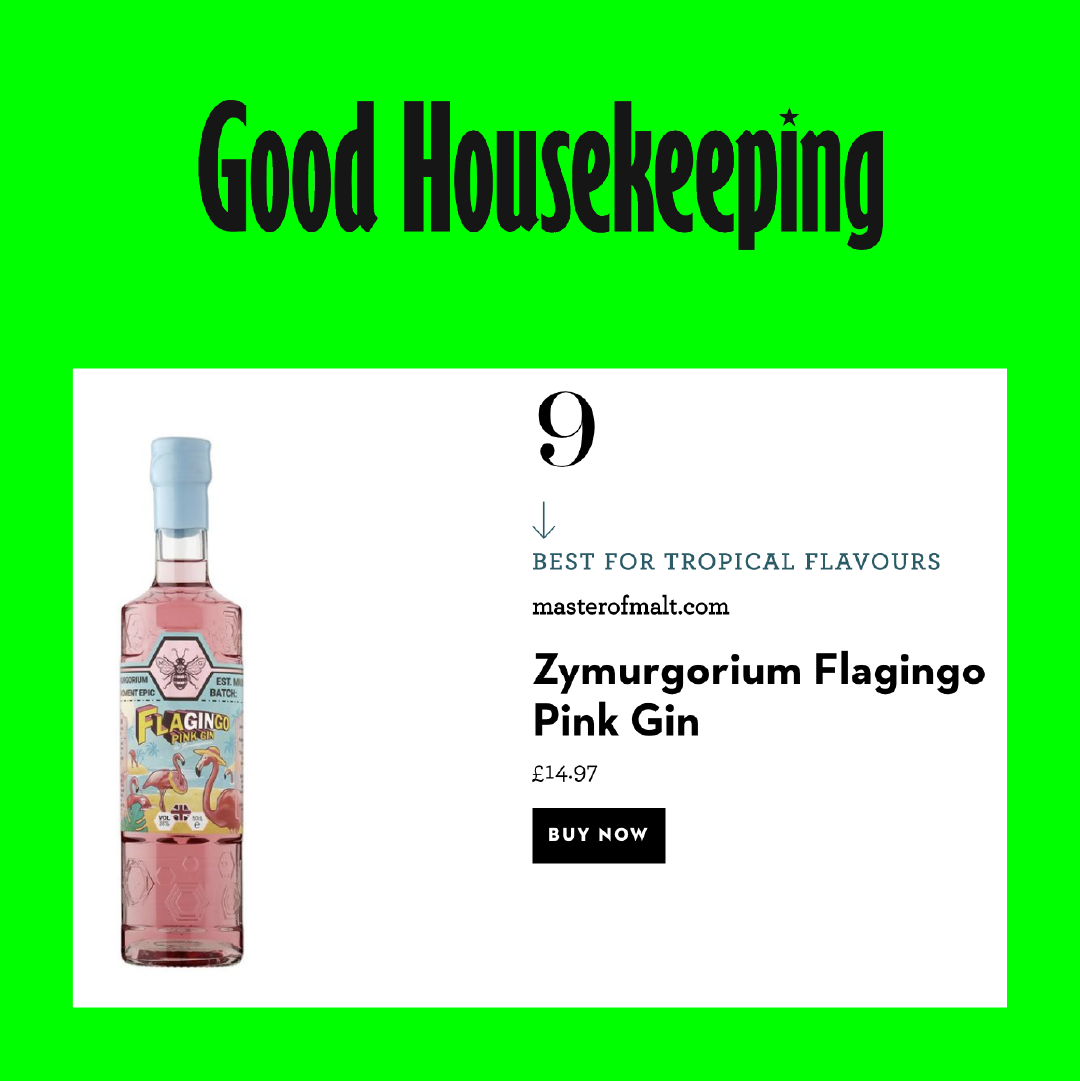
Why product placement is still essential for brands

Fantastic exposure teamed with getting your product into the hands of national journalists is still the oldest PR trick in the book for getting brands recognised by consumers and a way to generate product sales via a click through link.
Whether it’s Christmas, Easter or Valentine’s Day, events all year round call for an ongoing press office outreach to provide the perfect opportunity for product based brands to see their product included across a magnitude of online and print publications, with plenty of opportunities up for grabs.
The next occasion on the minds of PRs and journalists across the world is the Christmas season, as it is now fast approaching, we have already seen journalists starting to send out requests for ‘gifts for her’, ‘eco-friendly gifts’ and so forth. With this in mind, September is the perfect opportunity to start thinking about getting products on the desks of journalists across national and regional publications, to be in with the chance of the coveted Christmas gift guide inclusion.
Product placement has been an effective form of PR for decades, in terms of return on investment, coverage and the desire for clients to see their product in a round up next to some of the UK’s biggest brands, with the demand for product placement still very much there.
A recent client of ours is proof of this theory, as they generated £*** in sales through inclusion in a Glamour Magazine online round up, with traffic and sales being tracked through an included click through link to the clients website.
Whilst creative ideas and campaigns still consistently deliver brilliant results, an active press office with the correct vision of where is best to place a product, a black book of media contacts and how to perfect a product based pitch, is an effective way in which brands can stand out amongst the noise of thousands of other products, to deliver results that make an impact.
Some examples of our product placement wins are below:


August's DATS Trend Report
We’re back again with the DATS trend report for July.
With the summer ‘silly season’ well underway, July has presented some interesting, and in some cases, controversial trends.
Slogan cakes have become a trendy element of marketing, ‘gorpcore’ is rife and Big Brother is back. We’re very excited.
However, on the other side, the ‘Clean Girl Aesthetic’ is a great example of a trend gone wrong. Whilst the hashtag has generated millions of views, the term ‘Clean Girl’ - which is meant to embody someone who has sleek hair, minimal makeup and healthy lifestyle habits, has turned sour.
This might seem harmless, but several publications have commented on the privilege that’s embedded within the trend, alongside the gentrification and exploitation of a style which was once worn and upheld minority groups. Moreover, with money and consumerism often holding up the ability to be a ‘clean girl’, there’s an implication that those who are not able to keep up with the lifestyle are, in some ways, unclean.
The commentary also shows how important it is to understand the background behind trends before partaking, particularly when incorporating this into your brand.
It’s safe to say we’re intrigued to see what August brings!



Should Your Business Be Using TikTok?
TikTok; the app that we all downloaded out of sheer boredom in the pandemic, and got instantly hooked on.
If you’re a business owner, or work for one, you’re probably thinking, why should I be on there? What can I do on there that I can’t do on Instagram or some other social media platform?
Well, my inquisitive friend, TikTok is one of the best social media platforms anyone can use to promote themselves right now!
For example; TikTok influencers are popping up left, right and centre on the platform.
Does your business take advantage and utilise influencers on other platforms?
Why not expand that to TikTok too? Don’t stand still, take advantage of new opportunities!
TikTok is not only a super addictive app for its users, it's also made content creation ridiculously easy for creators and businesses. Are you a total video editing noob and wouldn’t even know where to start?
We recommend starting with TikTok; there’s no need for fancy production or lighting or all of that jazz; TikTok is all about being organic and transparent.
All you need is a camera phone and you’re good to go! With pre approved sounds (to avoid all those copyright complications!) and constantly refreshing trending audios, creating videos literally doesn’t get much simpler than this.

There's already a ton of businesses absolutely smashing it on TikTok right now. And the first thing that jumps out is that the brands with the most success aren’t taking themselves too seriously in their content. RyanAir, for example, have racked up a stunning 1.6 MILLION followers on there just by using a in-house TikTok filter that can put your face onto a picture. In their case, a plane. It really can be that easy; you just need to be original, creative, and get posting.

TikTok is so good that even other apps are trying to copy it these days *cough* Instagram *cough*.
With Instagram’s renewed algorithm winding everyone up (especially creators and businesses!) we really think it’s time that you jumped ship and reallocated your resources to a platform that doesn’t just offer the potential to grow your brand awareness amongst a young audience, it practically guarantees it.
To put it simply, brands and businesses can absolutely kill it on TikTok with purely organic content that creates really strong brand awareness.
Using the example of Ryanair, an airline that has been around for decades, business are connecting with a new audience with high awareness rewards for their brand, and very little budget or input involved. It’s a great risk vs reward to gamble on for your business.
The ceiling of success is huge! Don’t take yourself too seriously and don’t constantly try to hard sell (REMEMBER: this isn’t what the platform is for!) and the views, fans and overall brand awareness will come from a bit of persistence and patience.
Looking for more inspiration from other brands?
Read our blog on The Top 5 Brands Who are Doing Great on TikTok Right Now.
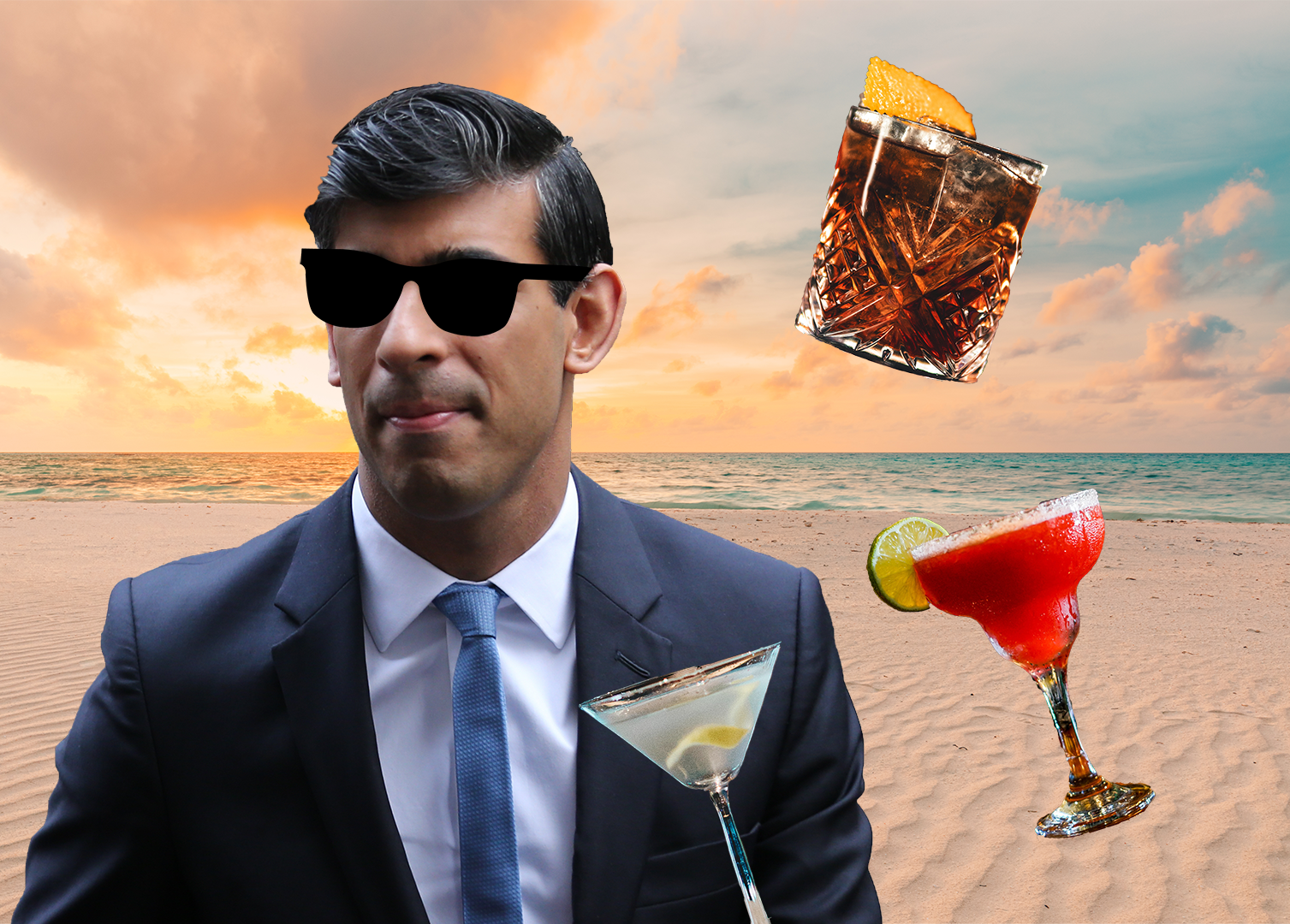
Our cocktails for the last remaining Tory leadership candidates

We’re as invested in the Conservative Leadership race as the rest of the country - maybe more so - and so have used our creative magic and fun spirit to match a cocktail to each of the Tory Leadership candidates for a summer of debating and sipping.
Keen at-home bartenders and those with even the slightest interest in politics can shake and stir delicious tipples to make the coming weeks and months more bearable - whichever way your loyalty lies.
Some might say summer 2022 marks the most dramatic time in UK politics since Boris Johnson came into power in 2016, and so these cocktails are designed to be served whether you are celebrating, or indeed commiserating with the outcome.
First up from the frontbench we have ex-Chancellor of the Exchequer, Rishi Sunak, who in the past has admitted to being ‘a total Coke addict’, referring of course, to his love of Coca Cola. So what better cocktail to represent the frontrunner himself than the Cuba Libre.
Next up we nod to Penny Mordaunt, Minister of State for trade policy since 2021. Penny launched her bid on Sunday with a bombastic video set to the Rugby World Cup anthem, World in Union, and has rather creatively coined the hashtag #PM4PM, and so of course the Pornstar Martini suits her perfectly - a PM for a PM.
We turn our cocktail shakers to Tom Tugendhat next. Born to a French mother, Tom is the only Francophone in our mix and so this cultured Gallic pairs perfectly with a suave French 75 Cocktail; fresh, clean and sophisticated.
Staunch Brexiteer Suella Braverman has vowed to ‘wage a war on wokeness’ should she get into Number 10. We can’t think of anything more suited to Suella than our very own creation, the British Lemonade; a patriotic Union Jack coloured mix of Raspberry Gin Liqueur, blue curacao and grenadine.
Liz Truss, Minister for Women and Equalities has been standing up for women since she took the role in 2019. She has been cited as an early favourite as the next occupant of Number 10 Downing Street and so we have matched her with a Martini, which is officially the trending drink of Summer 2022.
We now turn our attention to Kemi Badenoch, the underdog in the leadership race which is set to continue well into the autumn months. Also a supporter of Brexit, we think Kemi would like the Manchester Swizzle, a refreshing cocktail born right here in Manchester.
RECIPES
Rishi Sunak’s Cuba Libre
60ml White Rum
1 dash of Angostura Aromatic Bitters
120ml Coca Cola
2 wedges of fresh lime plus 1 additional to garnish
Muddle the lime wedges in a highball glass, add the rum, bitters and Coca Cola with some ice and briefly stir. Garnish with a lime wedge.
Penny Mordaunt’s Pornstar Martini
2 ripe passion fruits (they should have a crinkly appearance), halved
60ml vanilla vodka
30ml passoa
1 tbsp lime juice
1 tbsp sugar syrup
Prosecco , to serve
Scoop the seeds from one of the passion fruits into the glass of a cocktail shaker, add the vodka, passoa, lime juice and sugar syrup. Add a handful of ice and shake well, strain into 2 martini glasses, top up with prosecco, then add half a passion fruit to each.
Tom Tugendhat’s French 75 Cocktail
1 tbsp lemon juice
1 tsp sugar syrup
50ml Gin
Champagne to top up
Shake the lemon juice, sugar syrup and Gin in a cocktail shaker with ice. Strain into a Champagne flute and top with Champagne. Garnish with a strip of lemon zest.
Suella Braverman’s British Lemonade
50ml Raspberry Gin Liqueur
25ml Lime Juice
75ml Lemonade, stir with ice
10ml Grenadine
10ml Blue Curacao
Place the Raspberry Gin Liquor in a tall serving glass, stirring in the lime juice and lemonade with ice. Sink the Grenadine and float the Blue Curacao. Garnish with Lemon.
Liz Truss’s Martini
75ml Gin
5ml Extra Dry Vermouth
1 dash Orange Bitters
Shake all ingredients with ice and strain into a Martini glass. Garnish with a strip of orange zest.
Kemi Badenoch’s Manchester Swizzle
50ml Gin
100ml Coconut Water
25ml Falurnum
15ml Lime Juice
Build over ice in a highball glass, and garnish with mint and lime.
July's DATS Trend Report

For July’s trend report, we wanted to switch it up a bit. We’ve already spoken about the dominance of alfresco dining (hello tablescape!) and obsessed over Y2K.
Whilst predicting the future can be tough, we can look at cultural shifts. Will working less become the norm? Has driving transcended into a realm of ‘seriously uncool’? What about subscription services? We think they’ve had their heyday, so ciao Netflix.
Although we don’t have Jeff Bezos and his alien abilities, this month’s trend report has tried to think about what our future will look like.
So hang tight and get your space boots on.
Scroll through below to get the full run down:


