Insights
What we are reading, writing, watching and arguing about. Our newsletters, reports, blog posts and the work we do beyond client briefs.
Blog & Newsletters











Reports.

INTELLIGENCE REPORT

INFLUENCER REPORT
WOMEN IN MARKETING
Get great content in your inbox
Unwrapping the importance of PR in your Christmas campaign
In the wonderful world of PR and Marketing we start thinking about Christmas pretty much as soon as the spring flowers start to bloom. *I know*
Christmas campaigns can, sometimes, make or break a business and so the annual festive campaign can be the most important of the year. And so it would be foolish to overlook the important role of PR in securing a successful Christmas season.
In an enormously competitive market, the magic of Christmas can only truly come alive when coupled with an effective PR strategy. When maximised, PR can transform a simple marketing effort into a memorable, impactful and long-lasting one.
Building a Positive Brand Image
Christmas is a time of joy and goodwill, and consumers are not just looking for products; they're looking for an emotional connection. Just think of the emotions that surround the arrival of the Christmas TV ads, the John Lewis one is one of the most hyped year after year. PR plays a crucial role in shaping and maintaining a positive brand image. A well-crafted Christmas campaign supported by strategic PR efforts helps to reinforce a brand's values and mission, creating a lasting impression on customers.
The beautiful art of storytelling
The festive season is a perfect time for storytelling, and PR can bring this alive. By creating a compelling narrative around your Christmas campaign, you engage consumers on a deeper level. Whether it's highlighting the company's journey throughout the year, sharing heartwarming stories, PR helps craft a narrative that resonates with the audience and fosters a sense of connection. More than ever Christmas is a time for emotive stories.
Product Coverage
A successful Christmas campaign is not just about what you say; it's about who hears it. A good rule of thumb all year round to be honest.
PR professionals can leverage media relationships to secure coverage for your product. This can include features in newspapers, magazines, online publications, and (gold tier!) even TV spots. Gift Guides are at the forefront of our minds too - if there’s a gift list in a Sunday supplement we want to be included in it. Increased coverage amplifies your message, reaching a larger audience and generating excitement around your brand during the Christmas (ahem, shopping) season.
Engaging with Influencers and Partnerships
Collaborations with influencers and strategic partnerships are powerful tools in modern marketing. Like them or loathe them (and we LOVE them) they shift products off shelves. We identify and engage influencers whose values align with the brand, amplifying the message. Partnerships with other businesses can also create a win-win situation, enhancing the overall impact of the campaign. We all love a brand collaboration. Claridge’s annual Christmas tree collaboration is a favourite which fans look forward to with huge anticipation year after year. This year’s tree is designed by Louis Vuitton.
In the world of marketing, the importance of PR to produce the best results for your Christmas campaigns cannot be overstated. Beyond the glittering lights and festive decorations, PR is the glue that holds together an impactful campaign. PR plays a key role in ensuring that the magic of Christmas resonates not only in the products but in the hearts and minds of consumers.

The Art of Selling In
“Selling in” refers to the process of contacting journalists to tell them a story or product launch on behalf of clients - this interaction between PR professionals and journalists is the bread and butter of our profession. In the dynamic world of PR, success hinges not only on the quality of the services we offer, but also on our ability to effectively communicate with the media, and it usually goes a little like this…
Step 1: Understanding the client's needs
We find out exactly what the client is looking for in terms of press coverage, and who they are looking to target to inform which outlets we should be sending the press release to. We put together a list of our client’s ‘dream publications’ and make it our mission to get their stories here.
Step 2: Build the media list
When we have a clear understanding of what our client wants and where we think their story fits, we put together a media list of all the relevant contacts that we’re going to target. This could be freelancers with specific interests, journalists who write for our target columns, newsdesks for the dream publications, or people we have already built relationships with to see if they can put together a story about our client.
Step 3: Sell in!
We put together a personalised pitch for each journalist we contact. We keep it short and snappy to grab their attention quickly, and explain why our release is a good fit for them to ensure maximum impact. This is the most time consuming and important part of the process - this is how we build relationships, it’s how we generate coverage, and most importantly, it’s how we get people talking about our client’s product or service. This is usually done a couple of times in the process, and we tend to follow up directly with the journalists who are most relevant to ensure the stories hit.
Step 4: Check for coverage
We have Google alerts set up for every client for real-time updates about the coverage coming in, and we do manual checks every day across print and online publications. When the coverage comes in, we check the reach of the publication and send it over to the client, and we keep a record of everything coming in. Each month, we put all this coverage together and send a report to the client so they can see what people are saying!
Step 5: Repeat the process!
Selling in is not a one time thing - client’s needs change, media lists need updating, and our emails don’t always make it to the inbox. By repeating the process we can tailor our approach based on the results we get and ensure we always have happy clients!

Using AI in Marketing
Not a day goes by where we don’t read about, hear about or speak about AI (Artificial Intelligence) in some way. It is integral to so many industries with it being used day to day in PR and Marketing. But should we be afraid of it? It no doubt brings numerous benefits to the marketing world but of course, it also raises concerns. But do these concerns come from not fully understanding it?
Let us break down the benefits and chat about the fears.
The Benefit of AI in Marketing
AI offers improved customer insights by allowing us to gather and analyse huge amounts of data which in turn gives us insights into consumer behaviours, their likes and dislikes and trends. This gives us the crucial knowledge to tailor our strategies accordingly.
AI driven algorithms (if used correctly!) can offer highly personalised marketing content and recommendations. Ever whiled away a Sunday chatting about escaping to the sun for a week only to have Instagram suggest that Cape Verde is rather lovely this time of the year? It might be a bit unnerving but the algorithm is feeding you relevant content. If used in the right way it can improve customer satisfaction, increase conversions rates and improve customer loyalty.
Marketing Automation. AI can automate repetitive tasks, such as email marketing or social media posting which saves on time and, of course, resources. This can free up employees to spend more time on the creative tasks rather than the mundane.
Predictive Analytics. AI can predict future trends and customer behaviours, helping marketers make more informed decisions and adapt their strategies in real time.
Now let’s look at some of the more common fears of AI in marketing.
Job Displacement. Now this is a big one. How often have you heard someone say “oh the robots are taking over”. I mean, it is a valid fear. Every supermarket has self service checkouts and just one employee can oversee as many as 20 at a time, and so not as many employees are needed. As AI automates tasks, there is concern that human marketers may become obsolete but realistically we should think of AI as an assistant to marketing. It can help us work more efficiently but it can’t replace marketers entirely.
Data and Security The collection and analysis of vast amounts of data by AI systems raise concerns about data privacy and security. It’s the responsibility of the marketer to ensure the data is handled securely and is in compliance with the data and privacy regulations i the territory you are in.
Biased algorithms. AI will not always make the best decisions and sometimes discriminatory or offensive content can be pushed out which can lead to long term damage to a brand’s reputation. Again, we must see AI as an assistant to our work and so we need to monitor and control AI systems to avoid such grave errors.
The Loss of the Human Touch While AI can enhance personalisation, it may also lead to a loss of the human touch in marketing. It can sometimes be a mammoth challenge to get a human on the phone when calling larger companies which can lead to huge customer dissatisfaction. Customers can lose a connection with a brand if they feel their interactions are over-automated.
All things considered, AI in marketing is a powerful tool that has absolutely revolutionised how businesses interact with their customers. There are no doubts that there are some valid concerns about AI but if it is used responsibly it can, in fact, create more effective marketing strategies which can only benefit both customers but the business too.
AI isn’t going anywhere and so rather than being scared of it we need to embrace it, use it with caution, leverage its potential but being mindful of the risks.

How Has Social Media Marketing Evolved?: A Journey Through Digital Landscapes
Social media has emerged as a powerful tool in the digital marketing world, transforming the way businesses connect with their audience, shaping the way brands advertise and build relationships, and fulfilling the human impulse to communicate.
Social media marketing began in the early 2000s with the rise of platforms like LinkedIn, Friendster, and the iconic MySpace. During this time, the platforms were mostly used for building professional networks and connecting with potential clients, focussing on creating a digital presence rather than the targeted marketing strategies we see now.
Moving into 2004, the game changed entirely with the launch of Facebook. It was the first platform to attract a huge global audience which allowed businesses to reach specific demographics. Companies started creating brand pages and engaging content to personally connect with users - this marked the beginning of targeted advertising based on user interest and demographics.
After Facebook, visual content platforms like Instagram and Pinterest emphasised the significance of photos. Marketers realised that compelling content and short videos were great for capturing audience attention, so creative and visually appealing content became the norm, driving engagement rates and brand visibility.
Influencer marketing emerged as a game changer in the mid 2010s, as social media influencers, with their dedicated followers, became brand ambassadors to endorse products and services to their engaged audiences. This added a human touch to brands, making people trust them for appearing more authentic.
We then saw the rise of video content with platforms such as YouTube and later, TikTok. Brands started to embrace video marketing through tutorials, product demonstrations and entertaining content to engage their viewers. This period also saw live streams gain momentum, as real-time interaction with audiences allowed businesses to enhance their consumer relationships.
More recently, we’ve seen social media platforms becoming e-commerce hubs, with features like Instagram Shops, Facebook Marketplace and TikTok Shop. These allowed businesses to sell their products directly to their users without redirection to external sources, enabling a seamless shopping experience to transform casual browsers into potential customers.
In the last few years, advancements in data analytics have provided marketers with insights into consumer behaviour. Social media platforms have built in analytics tools, meaning businesses can track user interactions, measure ad performance and use real-time data to refine marketing strategies and enhance their effectiveness.
Finally, the rise of augmented and virtual reality has opened new avenues for immersive marketing experiences. We see the use of filters and simulations on a daily basis to engage users in interactive and memorable eays, increasing user engagement and enabling customers to experience products before spending any money. In 2023, we’re seeing a huge rise in CGI ads that leave people questioning what is real, all increasing brand exposure to potential audiences.
At DATS, we are constantly assessing the evolution of social media marketing to make sure we are connecting with our clients and audiences in the most effective way possible. Social media marketing has not only evolved, it has become an integral tool in the digital marketing playbook and we love exploring the ways we can use it to maximise its potential!
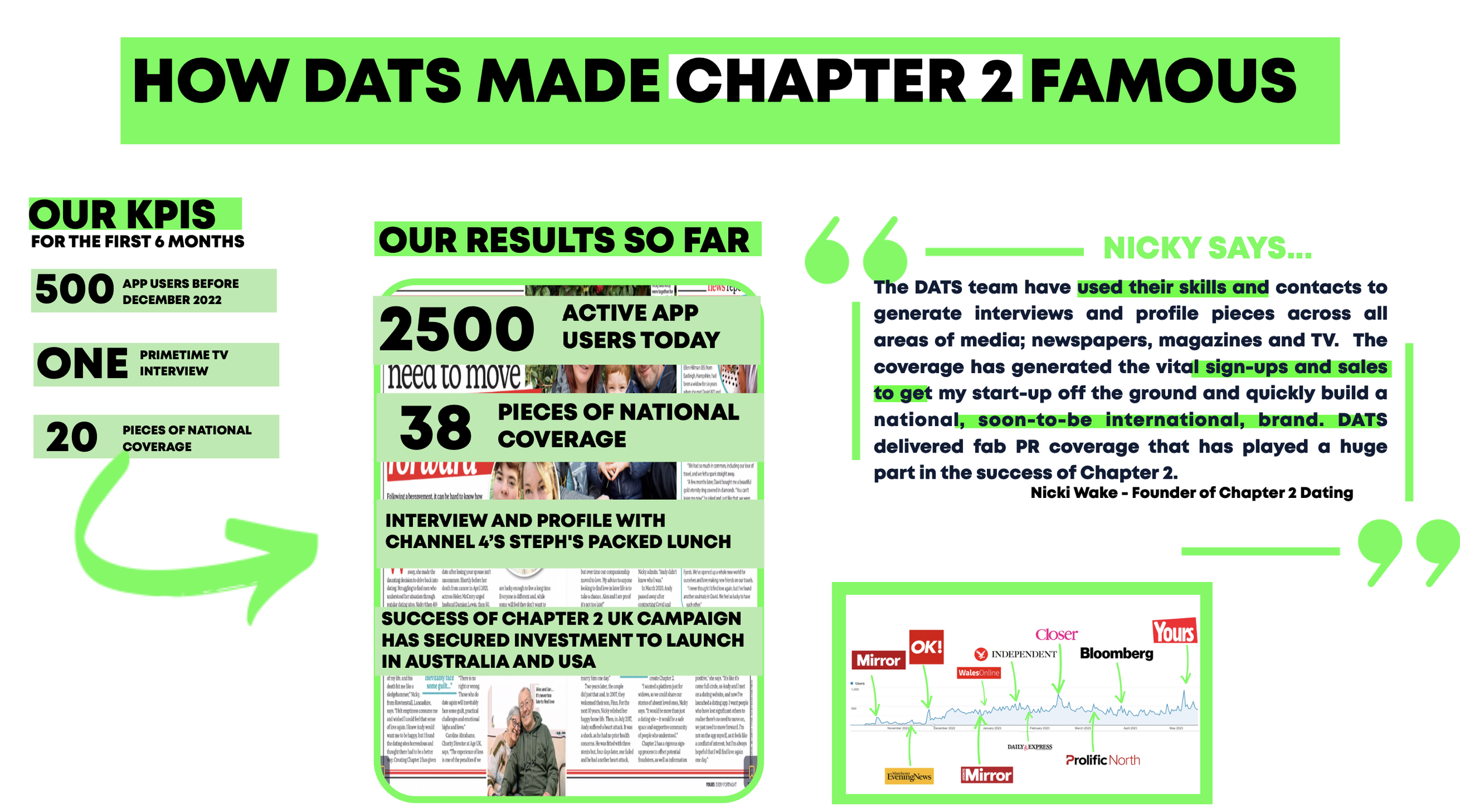
RESULTS FOCUSSED DOESN’T MEAN RESULTS GUARANTEED.
How we use data to evaluate the impact of our work on clients’ businesses.
As an agency we talk about results a lot. It is, after all, the reason for doing what we do. Our agency mantra is all about IMPACT, but this is just agency speak for results.
There are so many misconceptions about what results driven means so I thought I would share what the term stands for for us and how we feel talking about impact can benefit the agency and the client.

How we use data to evaluate the impact of our work on clients’ businesses.
As an agency we talk about results a lot. It is, after all, the reason for doing what we do. Our agency mantra is all about IMPACT, but this is just agency speak for results.
There are so many misconceptions about what results driven means so I thought I would share what the term stands for for us and how we feel talking about impact can benefit the agency and the client.
What results focussed doesn’t mean is results guaranteed.
KPIs are key performance indicators, they are metrics for measuring the success of a campaign, but they aren’t and never can be set in stone. We come up against so many agencies in pitches now that guarantee results and it baffles me. How with earned media can anyone be guaranteeing a result?
PR and social media are never guaranteed - unless you are paying for them, but that in my mind isn’t earned media, and even if the coverage is guaranteed it won't guarantee the final outcome such as sales.
Even results from paid ads aren’t guaranteed. If we could guarantee that a survey would be placed in a certain paper and the link from that paper would drive £3k sales in half an hour we would be millionaires. We absolutely can predict what may happen and give our work the best chance of getting that impact of course but that really is the best we can promise. Anyone offering a silver bullet is just setting themselves and their clients up for a fall. Unless they’ve got Derren Brown on the books perhaps!
So what does results focussed mean?
Results should be directly related to what the client wants to achieve - the biggies often being brand awareness, reaching a new audience or driving good old fashioned sales.
When we talk about being results focussed it means that we build our campaigns to have the best opportunity of driving the results that will create the impact the client wants to see - I’m pretty sure everyone does this though. Or I hope they do.
But it also means we set ourselves up from day one to be able to measure this impact.
In order to evaluate what the client wants to achieve we need to be able to benchmark with where they are now.
How do we do this? We identify the key metrics that we need to measure in order to see if our work - coverage, increased social media engagement or event attendance - has improved the client’s business for the better.
Listen up clients - this is where you come in. You have to give us this information, otherwise we are swimming through treacle. By sharing sales data, google analytics, search data and information about other campaigns or research we can build a clear picture of where a brand stands in a moment in time and compare it to the position after a campaign. Without this information we are left with the metrics around a campaign in isolation and whilst they can look terrible or brilliant, they mean nothing alone.
With all the right data and measures in place, complete with a great strategy and brilliant creativity, PR and social media can make a massive impact on a business.
What do you want to change about your business today? Talk to us and we can show you how to evaluate where you are now and come up with a plan to take you to where you want to be using real business data.
How to Use Data to Inform Your Media Lists

In today's digital age, where information is readily available and communication channels are diverse, it is essential for everyone to have a strong media presence. Whether you're launching a new product, organising an event, or simply trying to spread awareness about your brand, building an effective media list is key. However, blindly compiling a list of media contacts is no longer enough. To maximise your outreach efforts and increase your chances of success, you need to leverage the power of data to inform your media lists. Keep reading to see how we use various strategies to use data effectively and make informed decisions for our media lists!
DEFINE THE TARGET AUDIENCE
Before we can even think about building a media list, we have to clearly define who our target audience is. We think about demographic characteristics, interests and preferences of the individuals or groups we want to reach, meaning we can effectively tailor our media list to ensure our messaging is reaching the correct and relevant audience.
CONDUCT MARKET RESEARCH
After deciding who the target audience is, market research is vital to identify the relevant media outlets and journalists who cover topics relating to the desired industry. We use data-driven research techniques to explore various sources, for example, online publications, social media, industry reports and customer surveys. This allows us to have a deeper insight into the media landscape, enabling us to identify which journalists and media outlets are influential within our target audience.
USE MEDIA MONITORING AND DATABASE SERVICES
It’s incredibly difficult and time-consuming to gather data on journalists, publications or media coverage without monitoring tools, so ours have become invaluable to us. They allow us to track mentions of our clients in the media, identify journalists who have covered similar topics, and keep an eye on what is trending online so we can stay relevant. They also help to keep us in the loop with up-to-date contact information and news about journalists moving from publication to publication to ensure our media lists align with the brands and objectives we’re working with, whilst also accessing journalists who are most likely to be interested in our story.
TRACK PERFORMANCE AND REPEAT
The process of building media lists is not a ‘one and done’ task; it requires continuous tracking and evaluation to ensure we are optimising our outreach efforts. We can use tracking metrics such as open rates, click rates and media coverage generated, and use this data to identify areas for improvement. It may lead us to refine our media lists over time based on insights gathered, such as which journalists are the most receptive to our pitches, which outlets tend to generate the most coverage, and which types of stories resonate best with the audience we are targeting.
In today's data-driven world, creating media lists based on solid research and analysis is key to successful media outreach. By leveraging data to inform your media lists, you can ensure that your message reaches the right journalists and media outlets, increasing the likelihood of coverage and engagement. Remember to define your target audience, conduct thorough market research, utilise media monitoring and media database services, and track performance to continuously improve your media lists. By combining data-driven insights with effective communication strategies, you can enhance your media outreach efforts and amplify your brand's reach in an increasingly competitive media landscape.

Data in Marketing - how it can be your most valuable asset or your costliest mistake if you ignore it
Data is the key to building connections not just with potential customers but with the RIGHT customers.

Today, with so many tools at our fingertips, data is now one of the most valuable assets to marketers and PR professionals. Try to devise a strategy without it? Waste. Of. Time.
Data will help you gain better clarity about your target audience? Who are they? Where are they? Where do they get their news? Where do they shop? Data empowers us to be confident in our decisions which will, in turn, drive results. However, things can quickly go wrong if you don’t pay attention to the right data and you don’t use it in the right way.
NOT REACHING YOUR TARGET AUDIENCE
One of the golden rules of effective marketing is to reach the right audience, with the right messaging, at the right time in the right place. In other words you want to speak to the target market, in a way they understand, at the time they need it and using the right channels to reach them. It’s a lot, right? Well, yes, but listening to the data helps us understand this.
If you don’t have proper data analyse (and crucially, use it) you run the risk of investing in campaigns that may not resonate with the right customer. This of course leads to poor results and a total waste of money.
For example, imagine a meal prep company that targets adults in single occupancy households but fails to pay heed to their customer data. If they don’t realise their actual customer base is DINK households (Double Income, No Kids) then they may end up creating costly campaigns that are speaking to entirely the wrong demographic.
NOT CAPITALISING ON TRENDS AND OPPORTUNITIES
In 2023 trends change overnight - literally. What was considered ‘cool’ today might not be tomorrow. A celebrity at the top of their game today might find themselves cancelled tomorrow.
Without looking at (and again, listening to) the data you run the risk of not seeing the emerging trends which can lead to missed opportunities. Shifts in market demands, changes in consumer behaviour or not seeing a fall in positive sentiment can out your brand at a complete disadvantage.
Influencers, for example, are one of the most divisive topics. Love them or loathe them they are undoubtedly a key consideration in marketing strategies today. Brands that fail to see the value in influencer marketing run the risk of missing out on a powerful marketing tool.
POOR CAMPAIGN OPTIMISATION
POV: You launch a PR and Marketing campaign. It’s cost you a considerable amount of money, hundreds and hundreds of man hours and the odd sleepless night. But, it’s not done as well as you thought it would. It’s just not landed.
This is where the data is CRUCIAL. With access to the right data you can look at the overall picture and make the necessary adjustments in real time to improve the campaign performance.
It might be that the language you are using is just not resonating with the target audience or you’re not reaching them via the right channels? The data will empower you with the correct information to confidently make the tweaks necessary to ensure campaign success.
NOT MAXIMISING THE USE OF THE CUSTOMER DATA
Your customer data is the golden key to understand their preferences and needs. If you fail to pay attention to their spending habits, their feedback, their purchase history you can risk delivery irrelevant communications and offers which can alienate your customers.
Every communication with your customers needs to be right, it needs to serve a purpose. It needs to communicate the right messaging with the right customers. If an email marketing campaign sends irrelevant offers to subscribers then customers may become disengaged and unsubscribe which in turn can lead to a decline in customer retention. A costly mistake to make.
In essence, data is not just a ‘nice to have’ it’s one of your most valuable assets. Ignoring the data you have at your fingertips can lead to costly mistakes; missed opportunities, dissatisfied, disengaged customers and poor results.
Learn how data can help you to make data-driven decisions, how to source the right data and how to use these to build your strategies.

Data is, Actually, All Around…

Data is, Actually, All Around…
OK, so that’s a play on the famous Wet Wet Wet song, for those of us that are old enough to remember.
But data is, actually, all around.
In PR, we rely on data to ensure we understand the brand, the target consumer, the media they consume, and nowadays, how we measure our campaigns, how we react to a client crisis, and it even allows us to spot a client crisis before it happens.
Types of Data Used in PR
Audience Data
Knowing your audience is a key step in building a successful brand.
Audience data helps us to provide insightful, meaningful take-aways which will guide the rest of the PR process.
By analysing audience data, it provides a better understanding of different types of people; their behaviours, lifestyles and attitudes.
This helps to construct a customer persona - an imagined version of the target customer - which enables a marketer to tailor their campaign directly to their wants, needs, desires and pain points.
Audience Data Gone Wrong
An example of a marketing campaign that failed due to audience data not being used in the proper way, was a well-intentioned campaign by Levi’s.
An American campaign called ‘Hotness Comes in All Shapes and Sizes’, the purpose was to show that Levi’s was a denim brand for the ‘average, American woman’ and that Levi’s were the perfect fit, no matter your size.
Sounds great, right? So, why did they fail? They used only images of super-slim models across their ad campaigns, which didn’t represent the ‘average, American woman’, and actually excluded their target market which left a bad taste in everyone’s mouth.
Intelligence Data
Intelligence data allows an agency, or in-house team, to measure success. The foundation for any marketing campaign, intelligence data will include a range of measurables including:
Current web traffic
Current subscriber count/app downloads
Current sales stats
From there, KPIs and goals are created to ensure we know what success will look like:
Coverage attained (and on what date)
New leads generated
Target sales stats
Target traffic to site
Target subscribers or app downloads
Intelligence data also works to create realistic goals and objectives.
Whilst it may be a brand’s dream to get into the Wall Street Journal, an assessment of their current stats may prove that, actually, regional and trade coverage would be more impactful in gaining awareness and increasing sales or sign-ups.
Campaign Data
Campaign data can be used to qualify where your campaign ends up but it can also be used to guide your campaign narrative and ensure it’s credible and authoritative.
Media targets and distribution channels create a way to measure the campaign’s success, but data within the campaign itself helps to create a hook and to connect to the readers…(more on this, later).
Questions to ask when evaluating campaign data are:
What are the key media targets?
And why?
How will the campaign be disseminated?
What format will the campaign take?
What data will the campaign rely on? Facts? Figures? Or research?
What is the key message for the campaign and is it clear?
Campaign Data Gone Wrong
As the cost-of-living crisis hit the UK, a few of the big energy firms certainly managed to put their ‘foot’ in it.
Energy firm E.On sent 30,000 customers pairs of socks that featured advice on how to keep warm.
Meanwhile, SSE had earlier sent communications to its customers with a range of staying warm tips including ‘cuddling the cat’ and ‘doing star jumps’.
Needless to say, this didn’t go down well with customers who found it incredibly patronising and tone-deaf in light of the seriousness of people struggling to afford bills.
The companies both later apologised for the mishaps, and though seemingly well-intentioned, the messaging just didn’t hit the mark at a time where people were choosing to ‘heat or eat’.
Sentiment Data
The E.On example above was uncovered due to customers’ Tweeting pictures of the socks, which were then reshared hundreds of times and eventually picked up by media outlets.
On the face of it, and in a report, it may have otherwise seemed like a fantastic result gaining hundreds of shares, comments and likes, but this couldn’t be further from the truth.
At DATS, we track all PR coverage as well as sentiment analysis which allows us to see if the coverage, and resulting conversations, are positive, negative or neutral.

Barbie Mania: The Magic of Marketing
Since the late 1950’s, Barbie has captivated the hearts of children and adults alike, inspiring creativity, imagination, and dreams.

With its iconic doll, merchandise, and successful media ventures, Barbie has become more than just a toy brand; it's a cultural phenomenon, and we love to talk about how they’ve taken the world by storm.
The Power of Barbie
Barbie's popularity comes from its ability to evolve and stay relevant in changing times.
Mattel recognised the importance of adapting to new generations of children while also engaging nostalgic adults who once played with the doll. The brand's diverse range of dolls and accessories allows it to appeal to a broader audience, promoting inclusivity and fostering a sense of representation in the toy industry.
The New Movie: Building Anticipation
As part of their ever-expanding media ventures, Barbie's marketing team orchestrated a strategic campaign to build anticipation for the release of their new movie. Creating buzz and excitement was crucial to ensure that the movie would be a box office success. Here are some of the key marketing tactics they used:
Social Media Power Move:
Leveraging the power of social media, Mattel launched an extensive campaign across various platforms such as Instagram, Twitter, Facebook, and TikTok. They created teaser trailers, behind-the-scenes glimpses, and character introductions to generate excitement among both existing Barbie fans and potential new audiences.
Influencer Craze:
To tap into new audiences, the marketing team collaborated with popular influencers and celebrities who had a significant following among the movie's target demographic. These influencers shared their excitement for the movie, effectively extending the reach of Barbie's marketing campaign.
Limited-Edition Merch:
Everyone loves to feel like they have something that not everyone can, so, to boost enthusiasm, Mattel released a series of limited-edition merchandise tied to the movie's theme. Collectible dolls, clothing lines, and accessories created a sense of urgency among Barbie enthusiasts, further increasing interest in the movie.
Interactive Website:
The official Barbie website was transformed into an interactive hub, providing fans with exclusive content, games, and quizzes related to the upcoming movie. This approach encouraged active engagement, fostering a sense of community around the brand.
Global Premiere Events:
Prior to the movie's release, Mattel organised exclusive global premiere events in major cities. These star-studded events not only generated media coverage but also served as a platform to showcase the brand's commitment to diversity and inclusion.
Brand Collabs:
Strategic partnerships with leading brands in the entertainment and fashion industry were formed. From featuring Barbie in popular video games to incorporating Barbie-themed fashion collections, these collaborations amplified the brand's visibility across multiple markets. A personal favourite was the nod to vintage Chanel products throughout the movie - from Claudia Schiffer’s pink skirt suit, to Barbie’s hot-pink heart-shaped bag from the 90’s collection.
The Movie's Release
The culmination of the marketing efforts was the highly anticipated movie release. Thanks to the robust marketing campaign, Barbie mania reached a fever pitch, leading to record breaking box office numbers and critical acclaim. The movie's engaging storyline, the beloved characters, the fun, comical animation, and the star-studded cast resonated with both children and adults, reigniting their passion for Barbie and her world. As an adult myself, I thought the film was amazing, and all the hype was absolutely worth it!
Leaving a Lasting Impression
The success of Barbie's new movie did not stop with its theatrical run. The marketing strategy extended beyond the big screen to create a majorly lasting impact on the brand and its fanbase:
Merchandising Madness:
Following the movie's success, Mattel continued to release merchandise tied to the film's themes and characters. These collectibles kept the mania alive, ensuring that Barbie remained a favourite choice for gifts and playtime.
Fan Engagement and Contests:
To maintain engagement, the marketing team launched interactive contests and fan challenges on social media, encouraging fans to share their Barbie-inspired creations. This not only created a sense of community but also provided an opportunity for fans to feel directly involved with the brand.
All in all, Barbie mania is an enduring phenomenon that has been nurtured and sustained through thoughtful marketing and continuous innovation. Whilst the movie has now been released and the build-up was hugely successful, we can’t wait to see what the future holds for this iconic brand!
DATS Trends Report – July
July’s Trends Report is here, and unsurprisingly, it features the one trend that no one has been able to avoid – Barbie. Here’s what else you need to be aware of this month…
Trend 1: BARBIE
From the "Ordinary Barbie" trend, which has people challenging conventional beauty standards, to the oh-so- bright "Barbiecore" fashion obsession, (i.e., lots of pink) creators are flooding TikTok with content inspired by the blockbuster movie.
The movie may have been out for over a week now, but it doesn't look like the hype is ending anytime soon. TikTok has predicted that the #barbie, #barbiemovie and #barbiegirl hashtags are likely to continue trending for the next 7 days.
Who else is excited to see what’s next?
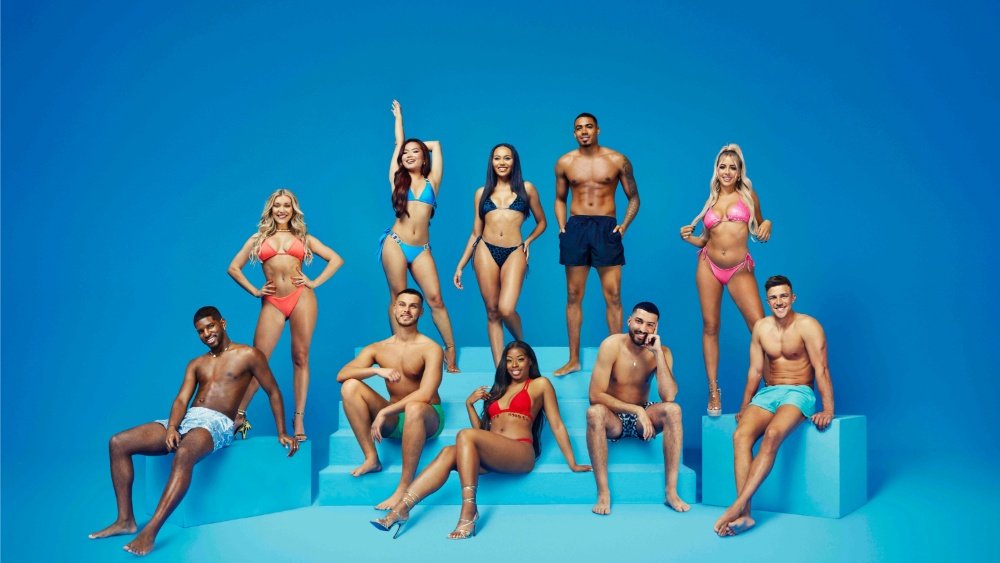
Trend 2: LOVE ISLAND
Every July, the hype around love island is EVERYWHERE, even for people who don't watch it. The show is famously irresistible for its drama, challenges and emotional rollercoaster, and throughout the month the show is trending on TikTok. Twitter and Instagram with memes, opinions and general updates.
Even with season 14 currently running, people are still already talking about what's in store for the show next year. Some people think next year will see a cast of all ex-islanders from the UK, USA and Australian shows, with others expecting to see a more diverse cast.
One thing's for sure - everyone loves Maya Jama and would be gutted if she didn't come back next year!
Trend 3: INSTAGRAM THREADS
A hot topic in social media this month has been the launch of Twitter's rival: Instagram Threads.
On July 5th, Threads launched as an online social media and social networking service offering users the ability to post and share text, images, and videos, and to interact with other user's posts. Sound familiar? Meta has been accused of stealing information from Twitter in order to create this network, leading to the treat of a
lawsuit from the industry's fave billionaire, Elon Musk.
Threads hit 100 million users in a five-day record surge, but it's still early days to know if it will de-throne Twitter.
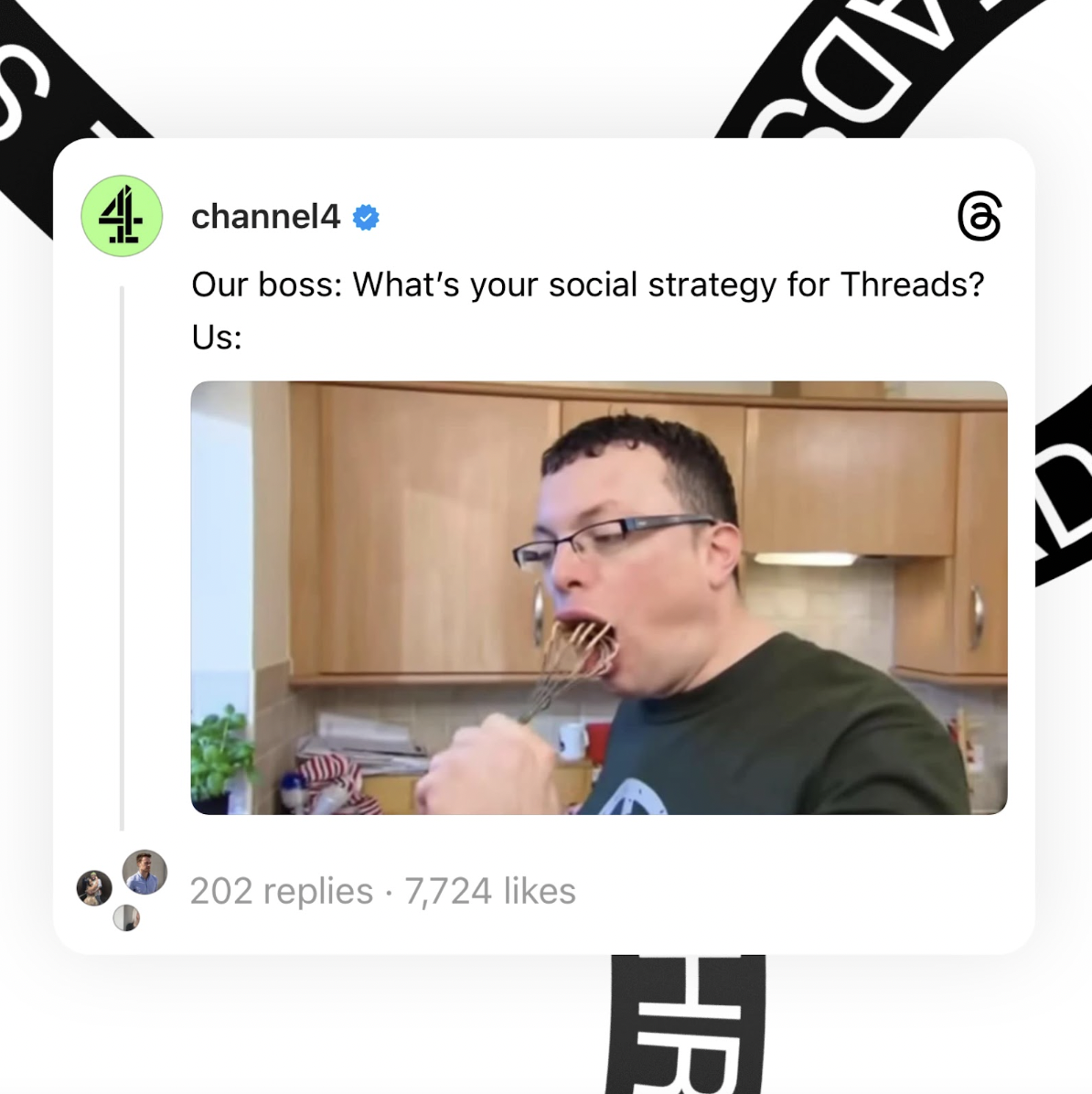
So whats the craic with Threads?
Still thinking about Threads? Or wondering what the hell it is? Don’t worry – our Social Media Manager, Bronia, has got you!
Okay, it’s been a week.
I have calmed down (nearly) and after a week of being chronically online (honestly, what’s new there?) I am here to tell you what is going on over on Threads!
1. So. Many. MEMES!
The general consensus was that meme culture was going a bit stale. The emergence of Tik Tok completely changed the way we view comedy online and the OG apps were struggling to keep up. In comes threads and we’re back in action.

2. Literally no-one is taking it seriously and THAT is why it’s working so well.
Social Media Managers everywhere are testing the waters and just seeing what works. This has created, in my opinion, the most authentic brand voice for all the brands I’ve seen there. No approval process in place, just vibes and the soft sell

3 Creative intros
There have been some very out of the ordinary intros. It’s clear to see that brands don’t know what tone of voice to enter the platform with, so have been more creative with their descriptions of who they are. Emojis, memes and throwbacks are just some of what we’ve seen on the platform so far.

4. Multiple posts a day
We all know that multiple posts on instagram a day is just not the way to go. What’s interesting to see about threads is how active users are with no negative impact on their account.

5. Not a hashtag in sight!
My gut is telling me this won’t last long, but for now I am really enjoying it! A lot of the time, brands and creators overcomplicate hashtags to the point where their content becomes unauthentic. I believe the all round ‘off the cusp’-ness of Threads is largely down to lack of hashtags and I secretly hope it stays that way.
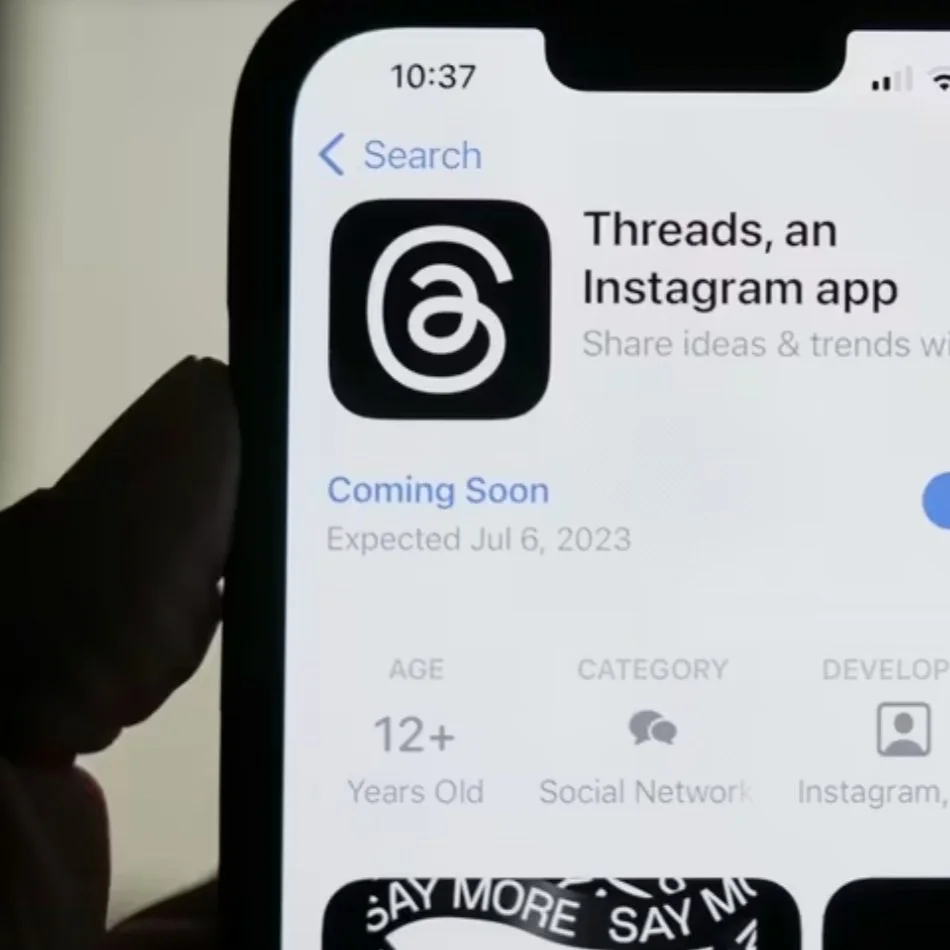
The new kid on the block - THREADS
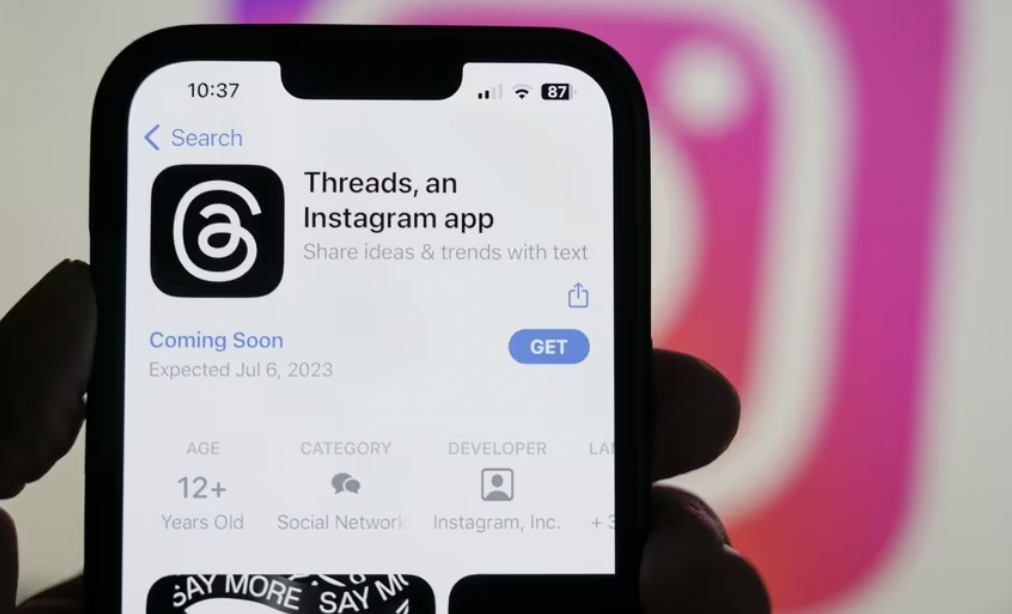
Meta’s new Twitter clone app—Threads—launched last night, a day earlier than planned (thanks Zuckerburg, like you haven’t put us social media managers through enough!).
More than five million users signed up in the first four hours.
Here’s what we know so far.
Searches for the term “delete Twitter account” saw a staggering 131% increase on July 1st, compared to the week before. Why? Twitter began limiting the number of tweets people can view per day to deter third parties from scraping data off the platform.
Elon Musk declared that unverified users could read 600 tweets and verified users 6,000 per day.
How does the app work with Instagram?
Instagram users recieve Threads notifications and can log in with their Instagram username and password, syncing up with their existing followers.
The user’s handle, bio, and verification will transfer from Instagram.
Threads users will be able to search for, follow and interact with creators and public figures on the app.
There is a 500 character and ability to attach links, photos and videos up to five minutes long. They can interact via likes, replies and reposts.
Built on the back of Instagram, Threads will operate based on Instagram’s existing guidelines. Blocked accounts and users will carry over on Threads.
The launch strategy
Meta cleverly enlisted celebrities, content creators and other household names to enter the platform before it became available to the public, peaking the interest of users even more. If the data is correct, Meta needs roughly one-in-four Instagram users to use Threads monthly to make it as big as Twitter. A highly realistic stat!
What’s the opportunity for brands?
Currently, there’s no telling how the platform will be monetising. Subscriptions and paywalled content could be another revenue stream for the creator-focused app, but I’m crossing my fingers and toes that that won’t happen.
Allowing Instagram users to port their profile to Threads makes it easy for the new app to gain more traction.
After spending all morning (yes, all morning. It’s my job to be this obsessed!) trailing and testing the app, here’s what I think.
It’s what Twitter was like back in the day. A great way to reconnect with your community
Lots of users are describing it as ‘one big group chat’
Brands from Netflix to Lululemon, Gymshark to your local cafe are getting involved, all with no strategy, just vibes
It’s an opportunity to repost some of your best-performing content!
I’m more than sure that an ad’s feature will rise sooner rather than later, that is Meta’s bread and butter after all!
Hashtags don’t seem to be a thing, but I’m sure it’s only a matter of time until Threads has it’s own algorithm!
Join the fun and follow us on Threads!
June's Trends Report is here!
It’s that time again – the DATS Trends Report is here for June, to keep you in the loop with what you need to be on-trend with this month.

Trend 1: NEW SOCIAL MEDIA FEATURES
INSTAGRAM: ADD MUSIC IN NOTES
This could benefit small businesses by helping them to highlight new music tracks or share their own.
Although notes haven't been hugely successful on the app as yet, they have been popular with younger users, with over 100 million teen accounts sharing notes in the past 90 days.
INSTAGRAM: DOWNLOAD REELS
The Head of Instagram has announced that they are launching an option for users to download Instagram reels on their phone’s camera rolls that are shared by public accounts. Accounts can limit the ability to have their Reels downloaded.
TIKTOK: AI SCRIPT GENERATOR
TikTok has added a new script generator tool within its Creative Center to help users create better video clips on the platform. The AI-powered tool maps out video concepts based on prompts and relevant keywords, and generates a selection of sample video scripts for users to consider
TWITTER: DAILY TWEET LIMIT
Elon Musk has announced that Twitter will temporarily limit the number of tweets users can read per day — with separate limits for paid and unpaid users — to combat computer programs that comb through posts to extract useful data from the platform
Trend 2: GRIMACE SHAKE
McDonald's reintroduced the Grimace Birthday meal in the US on June 12 to celebrate the purple character's 52nd anniversary. As a result, a new trend has emerged where people pretend to be dead after consuming the purple drink.
The trend is "quite literally just a meme" according to the original creator.
Like most trends, the popularity of the Grimace shake will gradually fade, especially since it's a limited edition item available "while supplies last." The trend has seen the support of multiple famous faces, from actress ad filmmaker Courtney Cox and, to celebrity chef Nick DiGiovanni.
Trend 3: TAYLOR SWIFT: THE ERAS TOUR INTERNATIONAL
Taylor Swift announced international dates for 'The Eras Tour,' and the demand for tickets is through the roof.
There are an estimated 750,076 tickets available across the 11 UK tour dates and 2.9 million people are predicted to attempt to buy tickets, meaning 2.1 million people will likely miss out - that's over 70% of fans that will not get tickets.
The Influencer Podcast Takeover: The Transition from Screens to Ears
Influencers are constantly forced to adapt to stay on top. Most recently, this is in the form of podcasts.
Brand new influencer and celebrity podcasts are popping up left, right and centre, changing the game and offering a new way for influencers to connect with their fans in a more intimate and conversational format, while also benefiting brands in the process.
Unlike filtered posts and edited videos, podcasts allow influencers to share their raw thoughts and experiences, often leading to a hilarious outcome. Listeners get a glimpse into the real lives of their favourite influencers, creating a sense of intimacy and community that goes beyond their curated social media feeds.
The earning potential of influencer podcasts is one driving force behind their popularity.
Influencers can generate income through sponsorships and advertisements. It also provides an opportunity for the influencer to broaden their horizons and promote themselves. Moving them away from being ‘just an influencer’.
The accessibility of podcasts, means that the influencer’s content can be consumed on-the-go, their followers can be on their commute, working out, or doing the washing up and still engaging- the dream!! This creates a loyal and dedicated audience, who often follow on other social media platforms.
‘How can this be beneficial to my brand?’
By collaborating with influencers on their podcasts, brands can tap into the trust and loyalty that influencers have established with their audience. Through sponsorships or brand mentions within the podcasts, brands can adapt their influencer marketing into this new channel.
This organic approach allows brands to reach their target audience in a way that feels genuine, relatable, resulting in higher engagement from listeners. There are also plenty of podcasts which feature guests, approaching a podcast that fits your niche can result in authentic exposure for yourself and your brand.
Our favourite podcasts are a common topic of office conversation at Down At The Social, here are some of our favourites if you fancy giving the podcast world a go!

Grace Beverley: ‘Working hard, hardly working’
Grace is a serious DATS favourite, her podcasts feature guests each week, discussing their journey into their industry or life accomplishments. From learning more about your favourite brands and marketing or honest dialogue on a rarely spoken topic, this podcast has something for everyone and is sure to introduce you to interesting people and brands.

Sophie Habboo and Jamie Laing: ‘Nearly Weds’
These reality stars, turned influencers, found fame (and love) on E4’s Made in Chelsea. Their podcast originated to document their journey to the altar, but is filled with hilarious anecdotes and bickers from their relationship. This is the perfect silly and light-hearted podcast if you need a switch off.

Sophia and Cinzia: ‘The Girls Bathroom’
These besties, turned influencers have perfected engaging with their fan base. Following a successful YouTube channel the duo started the podcast, now complete with merch and a tour. They answer dilemmas from their fans, providing a rollercoaster of emotions, including a lot of laughs!

Jessie and Lennie Ware: ‘Table Manners’
Jessie and her mum provide the food and the laughs for their A List guests each week. Over a meal, cooked by Lennie, they discuss all things food, family and fun. The mother-daughter dynamic makes for great listening and their guests are a great mix of interesting people with interesting stories.

The Rise of the Reality TV Influencer
In this new post from us here at Down at the Social, we look at the rise of the reality TV influencer which includes a very brief history of reality TV and influencer marketing, and how yesterday’s reality stars are the influencers of today.
Plus, we outline how influencer marketing could work for you.
Read on and be ‘influenced’...

Using a famous face to promote a brand certainly isn’t anything new. Brands have used celebrities in their advertising for years; from Britney Spears for Pepsi to Michael Jordan for Nike.
But influencer marketing has been around for a long time.
Some argue that one of the world’s first influencers was Josiah Wedgwood, renowned English potter and craftsman, back in the 1700s.
One of the most innovative potters of his time, Wedgwood convinced the Royal Family to allow him to use the title of ‘Potter to Her Majesty’ which catapulted him to international success and opened the door to many other high-profile customers.
Today, the influencer landscape is very different. Social media stars and influencers are now some of the world’s most recognisable people, with some even becoming bonafide A-listers in their own right.
How Reality TV Became the World’s Guilty Pleasure

For years, TV was the main source of entertainment, and one of the few ways a brand could communicate to an audience through advertising and marketing.
However, this was to soon change with the emergence of new technologies in the 1990s and 2000s.
Internet bandwidths had increased, built-in camera phones were being released and more and more people were going online.
TV producers soon started to realise they could monetise the attention of thousands of people by creating unscripted, unfiltered footage featuring real people.
Similar to the social media influencers of today, we began to see huge value from reality stars which came from seeing genuine, authentic people - much unlike the highly polished images we were used to seeing from celebrities.
Reality TV quickly became a staple of our everyday lives. Big Brother was one of the first reality shows in the UK and quickly developed a cult-like following.
Since then, we’ve seen a huge amount of reality shows explode onto our screens from The Only Way is Essex and Made in Chelsea to Geordie Shore and the undeniable champion of them all, Love Island.
Reality TV and Social Media: A Match Made in Heaven

If you’re on a social network (and if you’re not, what are you doing?!), you’re likely surrounded by influencers every day.
An occupation that’s soared in popularity, a recent survey revealed that 17% of children aged 11 - 16 want to be a social media influencer whilst 14% said they wanted to be a YouTuber when they grow up, outranking a teacher or vet.
Many of the most popular influencers we see today came from reality TV shows like Love Island, with casts often gaining celebrity status and acquiring large social followings throughout their time on the show. Plus, they often choose this route as a getaway into kickstarting a career as an influencer later.
One of the most famous examples of a reality star influencer has got to be none other than Kim Kardashian and the Kardashian/Jenner family. Kim Kardashian’s rise to fame has been nothing short of a masterpiece, which started with a leaked sex tape, to a reality empire with ‘Keeping up with the Kardashian’s’ and, today, she is one of the world’s most photographed stars.
Others such as Love Island’s most successful ever contestant, Molly-Mae Hague, has firmly cemented her place as influencer royalty. She’s partnered with some huge names such as Beauty Works and Starbucks, has had countless clothing lines, secured a book deal, and was appointed creative director of Pretty Little Thing in 2021.
And as for just how much an influencer can ‘influence’, in 2018 Kylie Jenner famously tweeted that she’d stopped using Snapchat. Within hours, the share price of Snapchat had plummeted 6% and more than $1 billion dollars had been wiped off its market value proving that influencers do hold significant impact to brands, and their followers.
Reality Stars = Commercial Influence

In a recent survey, it was found that 76% of Gen Z and 68% of Millennials, as well as 50% of females from every age group, watch reality TV shows like Love Island proving that they’re far more than just a little guilty pleasure.
Actually, reality TV shows and their contestants hold significant commercial influence.
When it comes to products featured on reality TV, millennials are the most active spenders on makeup, skincare, personal tech, accessories, nightclubs, restaurants, and apps.
So, how do they do it?
An influencer knows that the most valuable thing they have is their name but reality stars, being slightly more media-savvy, already know how to use the influence of their name for TV appearances, brand deals and events.
The more popular a content creator gets, the more value their name holds. When a fan sees their favourite reality star’s name attached to a product, they’re more likely to be interested in it.
And why do reality stars make good influencers?
On social media, you control your own image. When you’re on TV, though, your image is in the hands of the producers and TV execs.
This unfiltered, raw and authentic quality is what draws so many fans to these reality stars. Audiences have watched them fall in love, get their hearts broken, they’ve watched their dreams come true, or they’ve witnessed them lose everything.
This makes the reality star influencer more approachable and authentic when compared with other influencers and content creators, who can carefully manufacture their entire personal brand.
Working with an influencer, and particularly a reality star influencer, can greatly improve your brand’s reputation, increase trust, authority and, most importantly, help to build sales. Stats show that 79% of people would trust an influencer’s recommendation over a celebrity endorsement.
This being said, it’s important to choose the right influencer for your niche.
Whether it’s a reality star, content creator, micro-influencer or nano-influencer, Down at the Social can help you tap into the world of influencer marketing - simply get in touch to find out more, and in the meantime, why not download our Influencer Report to give you a headstart?

The Future of Influencer Marketing
What does the future of influencer marketing look like?

Influencer marketing is commonly known as a form of social media marketing based on endorsements and product placement from influencers, people and organisations who have a supposed ‘expert’ level of knowledge or social influence in their field.
Most of us have, at some stage, been influenced to buy a product or service based on something we have seen online.
Ever bought a mascara because that Love Islander’s lashes looked amazing?
You’ve been influenced. Signed up for a meal delivery box because a well known fitness guru says he saves time and stays lean? Influenced. Talked about how lovely Positano would be for a holiday after seeing a celeb wed there? I N F L U E N C E D.
Marketing budgets are tighter than ever before, so companies are having to make decisions on how they spend their money to reach not only the most eyeballs, but to reach the right eyeballs.
To reach and speak directly to the right people who will part with their hard-earned cash for their products and services. Typically partnering with the right social media influencer will give companies access to a large and, crucially, engaged audience as well as build brand credibility.
There’s a reason why clothes brands typically target the breakout Love Island stars each year to become brand ambassadors.
By engaging a popular star - say Milly Grace Court from Love Island 2021 who launched a clothing edit on ASOS - brands will have access to a captive audience who will trust what they say and, in many cases, purchase their line so that they can adopt their style.
A survey by Influencer Marketing Hub revealed that 63% of marketers intended to increase their Influencer Marketing Budget this year and so that would suggest that influencer marketing is here to stay - for now at least.
But what does the future of Influencer Marketing look like? Honestly, we can be 100% sure but we can make some educated guesses.
The use of AI
Not a morning goes by where we don’t have a long office discussion about AI - something one of us saw on Tiktok the night before or heard on a podcast on the way to the office. The landscape is changing daily and we must embrace it. The only thing to be certain of is that it’s here to stay.
At the most basic level, AI can be used to automate the process of finding and working with the right influencers as well as providing insights into campaign performance. AI will also be used to create campaigns visually too. Amazon is building a team to work on AI tools that will generate photos and videos to used in ad campaigns.
The rise of the micro-influencer
When selecting a social media influencer it used to just be a numbers game and, well, it’s still a numbers game. Same same, but different. Back when social media marketing was in its infancy, everyone looked at followers. How many followers do they have? But now we focus entirely on engagement. 2 million followers means nothing at all if no one is engaging.
Particularly with restaurant or bar openings, we tend to focus on the micro influencer. We’d much rather engage with an influencer with 10,000 followers and a 10% engagement rate rather than .02% of 100,000.
A greater emphasis on diversity and representation
We are seeing a greater emphasis on diversity and representation of late which has, quite rightly, flowed into influencer marketing. The leading LGBTQ+ influencers on YouTube have over 10 million followers.
Consumers want to see themselves represented and so there will be a greater focus for brands to ensure that they remove any trace of exclusivity.
Influencer marketing will continue to be a crucial aspect of the marketing industry, and although maybe hard to believe, it still has significant growth potential. Through diversified strategies, collaboration with different types of influencers, and leveraging the rising popularity of AI, smart brands can capitalise on one of the most effective ways to reach the most loyal of audiences.
But, if you're still unsure, give us a call, we’ve got you covered.
Check our brand new Influencer Report, where we discuss all things influencer marketing - including how to choose the perfect influencer!

Influencer Vs. Friends: Who do consumers trust more?
Do you trust social media influencers over celebrities?

Recent research by YouGov has shown that 62% of consumers trust social media influencers over celebrities with over 60% of respondents claiming to have engaged with sponsored posts from an influencer and 46% have admitted to purchasing a product promoted by an influencer.
This creates the question: who else does an influencer’s opinion trump when it comes to trustworthiness?
Influencer marketing strategies for brands aim to build personal connections with potential and existing customers. Choosing an influencer who reflects your brand can be game changing for brands of any size - if they choose the right one.
Global marketers are increasingly recognising the importance of utilising social media and influencers, with 53% having planned to increase their spend in 2023.
But why?
According to the 2021 Nielsen Trust in Advertising study, 71% of consumers trust opinions and product placements from influencers. A good influencer creates a community with their followers, engaging with their followers and providing honest reviews which results in a trusting relationship.
With influencers moving to the forefront of marketing campaigns, consumers don’t have to look far to find a review that feels more authentic than a glossy ad campaign.
Friends Vs Influencers?
Trust is a subjective perception that can be influenced by various factors, including personal experiences as well as a person's beliefs and values.
Finding a great influencer who is similar to yourself in these ways can be invaluable. Friends don’t always have the same budget, body type or hobbies, so it is no surprise influencers are becoming the go-to for recommendations.
The community that an influencer creates can become similar to a friendship for their consumer.
They understand the influencers personal life, style and taste and continue to engage with their content. This accessibility is something that celebrities lack, influencers produce content which feels in reach for their viewers allowing them to build trust between the two.
This is an important lesson when it comes to choosing influencers you want to represent your brand. To find out more about this, check our brand new Influencer Report, where we discuss all things influencer marketing- including how to choose the perfect influencer!
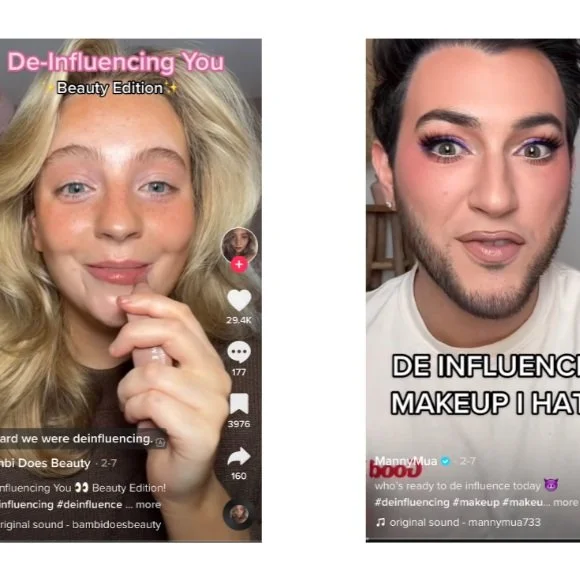
Deinfluencing 101: What Is Deinfluencing?
We have all heard the term ‘deinfluencing’ but what does it really mean?
What is deinfluencing?
‘Deinfluencing’: is it just the latest in a long history of social media buzzwords or is this the start of a new age of influencer marketing? Either way, it is important for your brand to stay up to date to ensure you communicate with your consumers effectively. To help you with this, we have taken a deep dive into everything ‘deinfluencing’.
In 2023, we have seen a 488% increase in google searches for the term ‘deinfluencing’, and with searches for ‘What is deinfluencing?’ at an all time high, it seems everyone is asking the same question.
What does deinfluencing mean?
It is undeniable that social media as a whole is a breeding ground for overconsumption, with influencer marketing only feeding into this. The accessibility to see what other people are purchasing has created a ‘must-have’ culture, leading to consumers feeling the pressure to purchase more and more rather than making less and better spending choices. With a rise in fast fashion brands utilising influencer marketing, The calls for a shift to more sustainable shopping habits are loud and clear. The deinfluencing trend encourages consumers to stop feeding into the unrealistic spending standards set by influencers and think more before purchasing.
Secondly, the explosion in #deinfluencing which currently has 496M views on TikTok, is in response to the sponsored content and #ad’s that are common within influencer culture. Scepticism to whether influencers genuinely like and use the products they promote is growing, with many being accused of simply promoting the products to get a healthy cheque. Many social media users have taken the deinfluencing trend as an opportunity to share real opinions on items and let viewers know things they should not buy.

Where did the term ‘deinfluencing’ come from?
A massive turning point which fuelled the #deinfluencing movement was the internet drama surrounding influencer Mikayla Noguiera. Mikayla was quickly becoming one of the big names in beauty influence, making a name for herself reviewing products predominantly on TikTok. She has collaborated with major brands in the beauty industry and it was a sponsored post with L’Oreal that she found herself at the centre of a scandal.
While creating a ‘before and after’ video for the latest mascara launch, viewers caught that Mikayla had applied false eyelashes between the clips, making the comparison seem more dramatic, and the product better than it actually was.
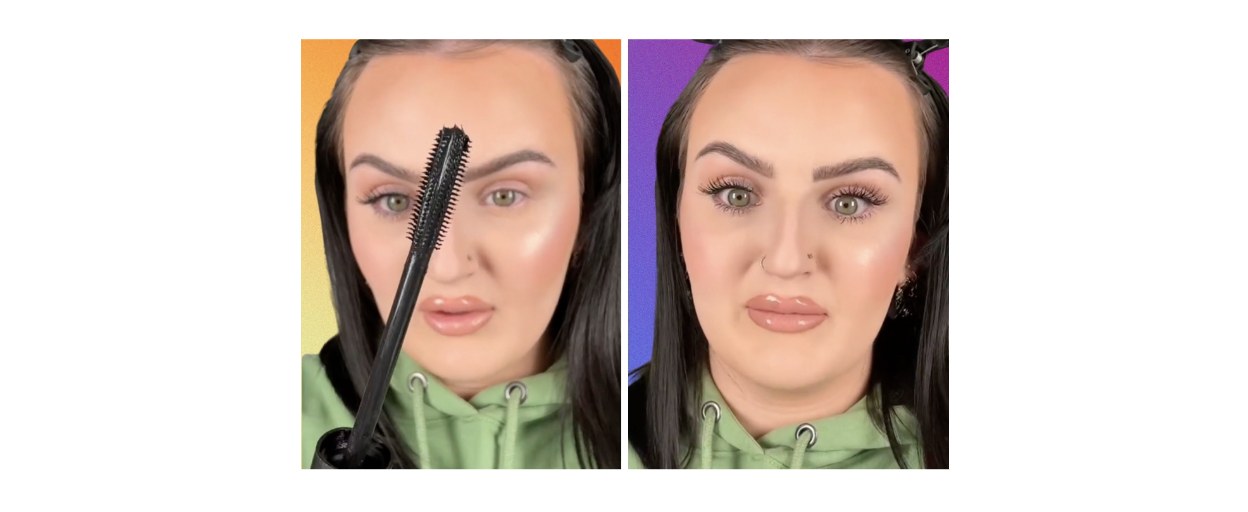
Having previously been named as ‘The realest influencer on TikTok’ by Glamour, this controversy stirred up some real emotions of fans who came to Mikayla for honest reviews. This moment went viral, with her video gathering almost 60M views, and over 77K comments of outrage. Many critics felt let down and a lack of trust, with the influencer encouraging consumers to spend their own money on products they have been paid to promote, this left a sour taste in many fans' mouths. It started a wider conversation about influencers in general, questioning their authenticity particularly when it came to sponsored content.
If you want to find out what deinfluencing means for your influencer marketing strategy, why not take a look at our BRAND NEW influencer report?
We give you all the details on influencer marketing: from deinfluencing, to calculating ROI and maintaining trust with your consumers.
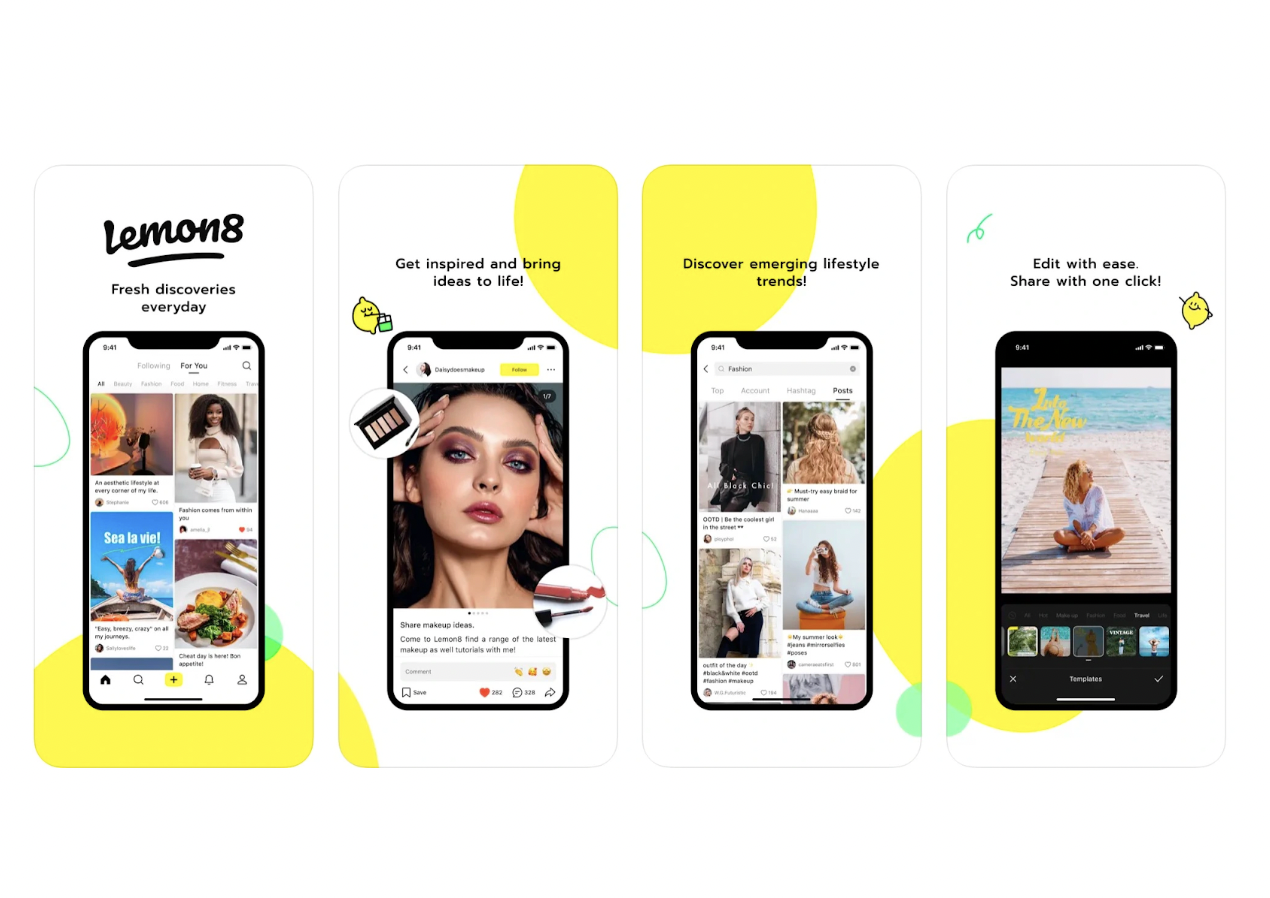
A brand new social media platform - What is Lemon8?
Social media managers, listen up. There’s a new kid on the block and its name is Lemon8.
The easiest way to describe what’s going on over there is just imagine Pinterest and Instagram had a baby, Lemon8 is who would come out.
What is Lemon8?
The number one lifestyle app in the app store right now, Lemon8 is a video and photo-sharing social media app. It does not support vertical video scrolling, and the content created on the app usually centres around a specific topic.
The top trending topics on the app are fashion, beauty, food, wellness, and travel. Under each topic are suggestions, recommendations, get-ready-with-me style videos, and perfectly curated, aesthetically pleasing content.
Why is it so popular?
Lemon8 is a direct competitor to a popular Eastern app called Xiaohongshu (Little Red Book, in English). In China, Little Red Book holds a large proportion of China's social networking and e-commerce market, and Lemon8 hopes to do the same in the West.
Most of the posts on Lemon8 have #Lemon8partner at the end of the caption, signalling that Lemon8 paid creators to start posting on the app to manufacture the platform's popularity. The same influencers also took to TikTok to tell their audiences to join Lemon8.
What does it have to do with influencers?
This is a more than suitable platform for influencers who are eager to become thought leaders in their respective niches. With the addition of tags and brand mentions, influencers can showcase their knowledge of important industries and their ability to seek out brands that are truly making a difference. Thus, they can showcase their experience within these sectors and attract brands who are seeking out dedicated and intelligent influencers to work alongside them in their latest campaign.